Start building today!
Experience the Find the courses and unlock the true potential
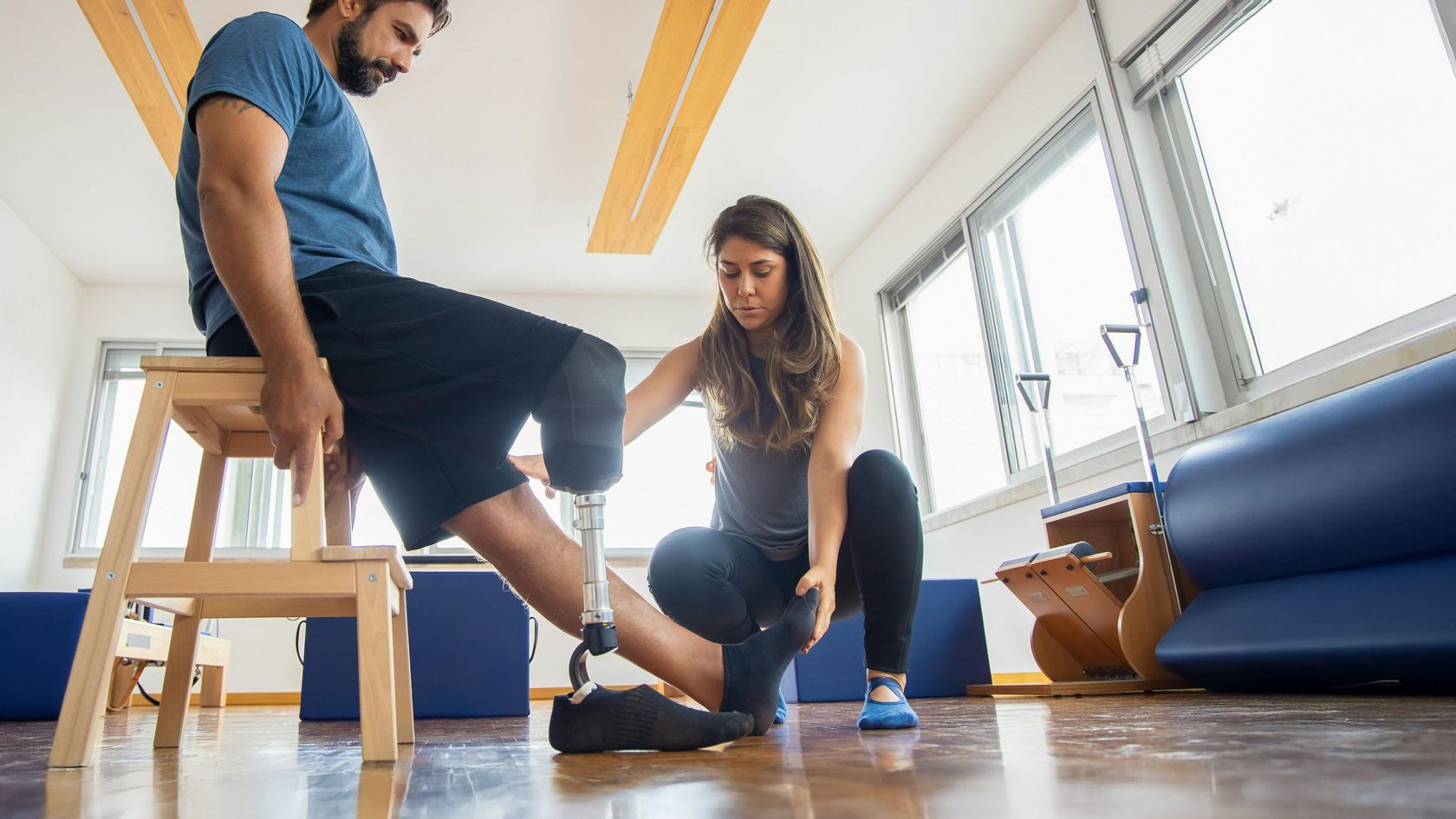
The Bachelor of Prosthetics and Orthotics (Honours) is a four-year undergraduate allied health degree that prepares students to become qualified prosthetists and orthotists — health professionals who design, fabricate, and fit artificial limbs (prostheses) and supportive devices such as braces and callipers (orthoses) for people with physical disabilities, amputations, musculoskeletal weaknesses, and neurological conditions. The course delivers a balanced mix of clinical skills, healthcare knowledge, human physiology, technical fabrication skills, and research competencies. Students study core subjects including anatomy, physiology, neuroscience, pathology, biomechanics, materials science, and prosthetic and orthotic prescription, design and fabrication. An honours component is typically offered in two streams — an industry stream or a research stream — allowing graduates to complete either a major industry-relevant project or a research honours project in the final year of the degree. Upon graduation, students are eligible for professional membership with the Australian Orthotic Prosthetic Association (AOPA), which is the peak body regulating the profession in Australia.
Prosthetists and orthotists work with patients across the entire age spectrum — from children with congenital limb differences to older adults managing chronic conditions or recovering from surgery. Their scope of practice includes client assessment and care, intervention prescription, treatment planning, the design and manufacture of custom devices, and modifying devices for optimal outcomes. Graduates divide their time between consulting patients in clinic settings and constructing devices in workshop and laboratory environments. The profession is prominent across a wide range of settings including public and private hospitals, community-based organisations, aged care facilities, private health clinics, rehabilitation centres, and academic or research institutions. Key employers include major public hospital networks, private prosthetics and orthotics practices, the National Disability Insurance Scheme (NDIS) service sector, the Department of Veterans' Affairs, sporting organisations, and medical device manufacturers.
Australia faces a well-documented and ongoing shortage of qualified orthotists and prosthetists, with the number of practitioners per 100,000 Australians remaining below international recommendations — particularly in states outside Victoria and in regional and remote areas. The introduction of the NDIS has transformed funding for orthoses and prostheses from state-based block models to individualised packages, dramatically increasing demand for qualified clinicians and incentivising private practice growth. Advances in technology, including computer-aided design (CAD) and 3D printing, are also reshaping the profession and creating new career pathways for technically skilled graduates. Australia's rapidly ageing population further compounds this demand, with growing numbers of Australians living with diabetes, cardiovascular disease, stroke, and mobility-limiting conditions that frequently require prosthetic or orthotic intervention.
A Bachelor of Prosthetics and Orthotics (Honours) is the only qualification accepted for entry into the profession in Australia under the Australian Qualifications Framework (AQF) Level 7, making it an essential gateway to a highly specialised and protected allied health career. Graduates enjoy strong employment security, diverse work settings, opportunities for international practice, and the deep personal reward of transforming patients' quality of life and mobility. With salary growth potential over a career — and emerging specialisations in paediatrics, sports orthotics, defence rehabilitation, and assistive technology — this degree offers both vocational certainty and long-term professional development opportunities.
Entry requirements for the Bachelor of Prosthetics and Orthotics (Honours) vary between institutions but typically require completion of Year 12 with a competitive ATAR — generally around 70 or above, though cut-offs may vary by intake and provider. Recommended prerequisite subjects at Year 12 level include English, Biology, and at least one additional science or mathematics subject (such as General Mathematics, Chemistry, or Physics). English language proficiency is a key requirement, with most institutions requiring a minimum study score of at least 25 in English (other than EAL) or at least 30 in English as an Additional Language. International students are typically required to provide an IELTS score (or equivalent) to demonstrate English proficiency, with IELTS sometimes being the only accepted English test for certain providers.
Alternative entry pathways are available for students who do not meet standard ATAR requirements. These may include Tertiary Preparation Pathway (TPP) programs, VET qualifications, credit transfer based on prior study or relevant work experience, early offer guarantee schemes for Year 12 students based on principal recommendations, and pathways through enabling or bridging programs. Students from a higher education background — such as those who have completed another university degree or diploma — may also be considered for direct entry or advanced standing. All applicants are typically required to hold or obtain a National Police Record Check and meet health and immunisation requirements before commencing clinical placements. Some institutions may also require students to demonstrate core participation capabilities — including physical, cognitive, and communication abilities — that are essential for safe clinical practice.
This course may be offered in different study modes depending on the university, campus location, course structure and student type. Students should check the available delivery mode before applying, as not every study option is available at every institution.
On-campus study is the traditional mode of delivery where students attend classes, lectures, tutorials, workshops or seminars at the university campus. This option may suit students who prefer face-to-face learning, access to campus facilities, networking with classmates, practical workshops, group projects and direct engagement with academic staff.
Some universities may offer programs fully online or with online subject options. Online study can be attractive for students who need flexibility due to work, family, location or other commitments. Online study may suit domestic students, working professionals or students who want to study from outside Australia.
Hybrid or blended study usually combines online learning with some on-campus classes, workshops, intensive sessions or practical components. This mode may suit students who want flexibility but still want some face-to-face interaction. The exact structure varies between institutions.
Programs in Australia may have different intake structures depending on the university. The most common intake systems are semester, trimester and block mode.
Many Australian universities follow a two-semester academic calendar. The main intakes are commonly Semester 1 (around February or March) and Semester 2 (around July). Semester-based study usually allows students to complete a set number of subjects over approximately 12 to 14 weeks.
Some universities use a trimester system, which generally provides three study periods a year — around February/March, June/July and October/November. Trimester study may provide more flexibility and may help some students complete their course faster.
Some institutions may offer selected subjects or programs in block mode, where students focus on one subject at a time over a shorter, more intensive teaching period. Block mode may suit students who prefer concentrated learning or working professionals managing study around employment.
Some online or professionally focused programs may offer more frequent start dates or flexible entry points throughout the year. Students should not assume that every course has monthly or multiple intakes — availability depends on the institution, course structure and student type.
Graduates of a Bachelor of Prosthetics and Orthotics (Honours) enter a protected and specialised allied health profession with diverse and growing employment opportunities across Australia and internationally. The profession spans public hospitals, private clinics, community rehabilitation services, aged care, defence and veterans' health, academic institutions, and the medical device industry. The NDIS has significantly expanded the career landscape, creating strong demand for qualified practitioners across all states and territories — and particularly in rural and regional areas that are currently underserviced. Graduates may also leverage their technical and clinical skills to move into device design, research, education, or management roles as their careers progress.
Entry Level
Graduate Prosthetist/Orthotist
Graduate Prosthetist, Graduate Orthotist, Graduate Prosthetist/Orthotist, Orthotic Prosthetic Technical Officer Grade 1
Early Career
Clinician / Practitioner
Clinical Prosthetist, Clinical Orthotist, Prosthetist/Orthotist, NDIS Allied Health Practitioner, Sports Orthotist, Paediatric Orthotist/Prosthetist
Mid-Level
Senior Clinician / Specialist
Senior Orthotist/Prosthetist, Clinical Specialist, Senior Orthotist Level 3, Rehabilitation Specialist, Clinical Educator, Medical Device Clinical Specialist
Senior Level
Manager / Lead Clinician
Allied Health Manager, Team Leader (Prosthetics and Orthotics), Principal Clinician, Private Practice Principal, Department Head
Leadership
Director / Academic / Owner
Director of Allied Health Services, University Lecturer / Senior Lecturer, Private Practice Owner, Research Lead, National Clinical Director
Salaries for prosthetists and orthotists in Australia vary by experience level, state, and sector, with strong earning potential as practitioners progress through their careers.
Melbourne
Melbourne is the primary hub for prosthetics and orthotics education in Australia, hosting one of the country's two accredited degree programs and featuring major public hospitals, rehabilitation centres, and private practices that provide extensive clinical placement opportunities. The city's large population base and world-class healthcare infrastructure — including leading children's hospitals and major rehabilitation facilities — make it an ideal environment for hands-on training and early-career employment.
Sydney
Sydney offers graduates a thriving allied health job market anchored by major public hospital networks, private orthotic and prosthetic clinics, and a large and growing NDIS service sector across the greater metropolitan area. With a high concentration of specialist rehabilitation services and medical device companies operating in NSW, Sydney-based graduates have access to diverse career pathways and strong earning potential.
Brisbane
Brisbane is home to Queensland's first prosthetics and orthotics degree program, offered via the Sunshine Coast (accessible within Queensland), and the city's expanding public health system and thriving private sector create strong local demand for graduates. With Queensland's population growing rapidly, particularly in South East Queensland, and the 2032 Olympics continuing to drive investment in sports and rehabilitation services, Brisbane offers excellent long-term career prospects.
Perth
Perth presents significant opportunities for prosthetics and orthotics graduates given the city's geographic isolation and the resulting demand for qualified allied health professionals across both metropolitan and regional Western Australia. The strong mining and resources workforce in WA also creates specialised demand for prosthetic and orthotic services related to workplace injury rehabilitation.
Adelaide
Adelaide's close-knit allied health community, prominent public hospital sector, and growing aged care industry provide a supportive environment for new graduates to develop clinical skills and build professional networks quickly. South Australia's regional areas also face significant undersupply of orthotists and prosthetists, making graduates willing to work in rural settings highly sought after.
Canberra
Canberra's unique profile as Australia's capital city includes a high concentration of defence personnel, veterans, and public servants — all populations with above-average demand for prosthetic and orthotic services through agencies such as the Department of Veterans' Affairs and the Australian Defence Force. The city's well-resourced public health sector and proximity to major rehabilitation facilities make it a niche but rewarding location for motivated graduates.
Before choosing a course, students should compare:
International students who want to study in Australia should also consider additional requirements before applying.
Join successful graduates
Students Helped
Application Processed
Listed Universities
Listed Courses