Start building today!
Experience the Find the courses and unlock the true potential
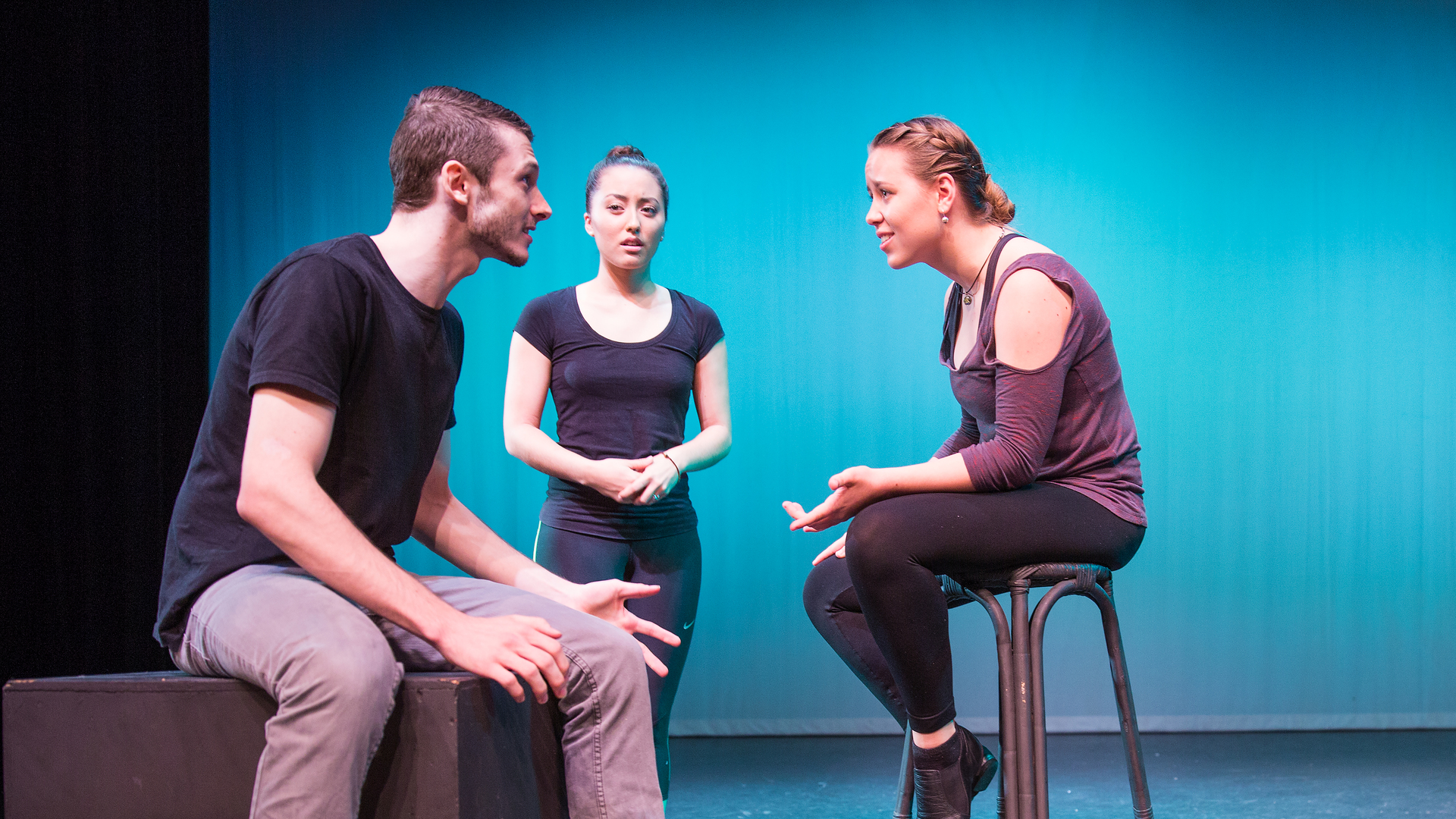
A Bachelor of Theatre (Specialisation) is an undergraduate degree that provides intensive, conservatoire-style training in one or more specialist areas of theatre practice. Specialisations typically available in Australia include Drama (Acting), Music Theatre, Technical Theatre, Theatre Making, and Theatre Studies, allowing students to pursue deep, focused expertise rather than a generalist arts education. The course blends rigorous performance training with academic study of theatrical history, theory, and contemporary practice — equipping graduates to work both on stage and behind the scenes. Students develop practical skills through studio-based workshops, rehearsals, and fully staged productions performed for real audiences in university and community venues.
The degree is designed for students who are committed to a professional career in the performing arts and entertainment industry. It attracts aspiring actors, musical theatre performers, directors, playwrights, dramaturgs, stage managers, and production technicians. Employers of graduates include major theatre companies (such as the Melbourne Theatre Company, Sydney Theatre Company, Queensland Theatre, State Theatre Company South Australia, and Black Swan State Theatre Company), commercial touring productions, independent theatre companies, community arts organisations, festivals, film and television productions, education departments, and arts administration bodies. Many graduates also establish their own independent theatre projects or performance companies.
Australia's cultural and creative sector is a significant contributor to the national economy, generating $63.7 billion in GDP in 2022–23 and representing 2.5% of the total economy — comparable in scale to the Agriculture and Forestry industries combined. The live performance and theatre industry continues to employ thousands of Australians across performance, production, administration, and education, and the federal government's National Cultural Policy (Revive) has expanded multi-year investment across arts organisations for the 2025–28 cycle. There is growing demand not only for skilled performers but for theatre-trained professionals who can transfer their skills into education, community arts, corporate training, event management, and screen industries.
A Bachelor of Theatre (Specialisation) equips graduates with a versatile combination of creative, communicative, and collaborative skills that are highly valued across multiple sectors. As Australia's arts workforce ages and succession planning becomes increasingly important, there is a growing need for well-trained emerging theatre-makers and arts professionals. Graduates are not limited to stage performance; they move into directing, production management, arts administration, arts education, and creative entrepreneurship — making this degree a launchpad for a broad and rewarding career in the creative industries.
For domestic students, entry into a Bachelor of Theatre (Specialisation) typically requires completion of senior secondary education (Year 12 or equivalent) with an ATAR generally ranging from 60 to 70 or above, depending on the institution and specialisation. However, unlike most academic degrees, the primary selection criterion for performance-based specialisations (Drama, Music Theatre) is an audition. Applicants are usually required to prepare and perform one or two contrasting songs (for music theatre), a monologue from a contemporary play, and a movement or dance routine. Academic qualifications serve as a minimum threshold, and final ranking is based on audition performance. For theatre studies or online/distance specialisations, an audition may be replaced by a written statement of intent or portfolio of creative work.
Applicants who do not hold an ATAR may gain entry through alternative pathways, including completion of a Certificate IV or Diploma in Performing Arts from a TAFE or Registered Training Organisation (RTO), completion of relevant VET qualifications (AQF Certificate IV or higher), mature-age entry, or university pathway programs. International students must demonstrate English language proficiency, typically through IELTS (Academic) with an overall score of 6.0 or above (with no band below 6.0), or equivalent scores in PTE Academic or TOEFL iBT. Some institutions also require a Blue Card (Working with Children Check) for students undertaking placements in educational settings, particularly in Queensland. Applicants are strongly encouraged to have prior experience in drama, musical theatre, or performing arts through school productions, community theatre, or private tuition.
This course may be offered in different study modes depending on the university, campus location, course structure and student type. Students should check the available delivery mode before applying, as not every study option is available at every institution.
On-campus study is the traditional mode of delivery where students attend classes, lectures, tutorials, workshops or seminars at the university campus. This option may suit students who prefer face-to-face learning, access to campus facilities, networking with classmates, practical workshops, group projects and direct engagement with academic staff.
Some universities may offer programs fully online or with online subject options. Online study can be attractive for students who need flexibility due to work, family, location or other commitments. Online study may suit domestic students, working professionals or students who want to study from outside Australia.
Hybrid or blended study usually combines online learning with some on-campus classes, workshops, intensive sessions or practical components. This mode may suit students who want flexibility but still want some face-to-face interaction. The exact structure varies between institutions.
Programs in Australia may have different intake structures depending on the university. The most common intake systems are semester, trimester and block mode.
Many Australian universities follow a two-semester academic calendar. The main intakes are commonly Semester 1 (around February or March) and Semester 2 (around July). Semester-based study usually allows students to complete a set number of subjects over approximately 12 to 14 weeks.
Some universities use a trimester system, which generally provides three study periods a year — around February/March, June/July and October/November. Trimester study may provide more flexibility and may help some students complete their course faster.
Some institutions may offer selected subjects or programs in block mode, where students focus on one subject at a time over a shorter, more intensive teaching period. Block mode may suit students who prefer concentrated learning or working professionals managing study around employment.
Some online or professionally focused programs may offer more frequent start dates or flexible entry points throughout the year. Students should not assume that every course has monthly or multiple intakes — availability depends on the institution, course structure and student type.
Graduates of a Bachelor of Theatre (Specialisation) are equipped for diverse careers across the performing arts, entertainment, education, and broader creative industries. Career paths span live performance on stage, behind-the-scenes production roles, arts leadership, community arts facilitation, and screen work. Many graduates combine multiple roles — performing, teaching, and creating independent work — across theatre, television, film, radio, podcasting, and corporate sectors. Employers include state and independent theatre companies, commercial touring productions, festivals, screen production companies, education institutions, community organisations, and government arts bodies.
Entry Level
Graduate Performer / Production Assistant
Ensemble Cast Member, Assistant Stage Manager, Production Runner, Junior Lighting or Sound Operator, Community Theatre Performer, Drama Facilitator Assistant
Early Career
Performer / Technical Officer / Coordinator
Actor (independent and company), Stage Manager, Lighting or Sound Technician, Theatre Production Coordinator, Community Arts Coordinator, Assistant Director
Mid-Level
Specialist Practitioner / Adviser
Production Manager, Lead Performer / Principal Actor, Theatre Director, Dramaturg, Lighting Designer, Choreographer, Arts Education Specialist, Events Producer
Senior Level
Senior Manager / Senior Practitioner
Senior Production Manager, Company Manager, Head of Production Design, Senior Dramaturg, Senior Arts Administrator, Artistic Associate, Festival Programming Manager
Leadership
Director / Artistic Director / Head
Artistic Director, Executive Producer, Head of Production, Dean of Performing Arts, Creative Director, Theatre Company Founder, Head of Drama Education
Salaries in the Australian theatre and performing arts sector vary widely depending on role, experience, production scale, and union agreements, with performer wages governed by MEAA (Media, Entertainment & Arts Alliance) awards.
Melbourne
Melbourne is Australia's undisputed theatre capital, home to major companies including the Melbourne Theatre Company, Malthouse Theatre, and a thriving independent sector, as well as world-class festivals such as RISING and the Melbourne International Comedy Festival. Creative employment in Victoria comprises 8.9% of the total workforce, making it one of the strongest cities in the country for theatre training and career development.
Sydney
Sydney offers unparalleled career opportunities through its world-famous institutions including the Sydney Opera House, Sydney Theatre Company, and the National Institute of Dramatic Art (NIDA), as well as a booming commercial theatre and screen production industry. The city's size and diversity of venues — from large commercial theatres to intimate fringe spaces — ensure a wide range of professional pathways for theatre graduates.
Brisbane
Brisbane has emerged as a vibrant theatre hub with Queensland Theatre, La Boite Theatre, and the Queensland Performing Arts Centre (QPAC) providing strong employment anchors, complemented by a growing independent arts scene and major events like Brisbane Festival. The city's subtropical energy and expanding arts infrastructure make it an increasingly attractive option for emerging theatre practitioners.
Perth
Perth is home to the prestigious Western Australian Academy of Performing Arts (WAAPA), one of the country's most respected performing arts training institutions, as well as Black Swan State Theatre Company and Barking Gecko Theatre. Perth's compact but active theatre scene provides students with excellent opportunities to connect with industry professionals and transition quickly into professional work after graduating.
Adelaide
Adelaide punches above its weight as a performing arts city, hosting the Adelaide Festival, Adelaide Fringe (one of the largest arts festivals in the Southern Hemisphere), and the State Theatre Company South Australia. The city's concentrated creative community and supportive arts funding environment offer theatre graduates a welcoming, accessible pathway into professional practice.
Canberra
Canberra offers a distinctive theatre environment anchored by the Australian Capital Theatre, Canberra Theatre Centre, and Belconnen Arts Centre, alongside government-funded cultural institutions that create unique opportunities in arts administration, cultural policy, and community arts. Students in Canberra benefit from proximity to federal arts bodies and a stable, well-funded local arts sector.
Before choosing a course, students should compare:
International students who want to study in Australia should also consider additional requirements before applying.
Join successful graduates
Students Helped
Application Processed
Listed Universities
Listed Courses