Start building today!
Experience the Find the courses and unlock the true potential
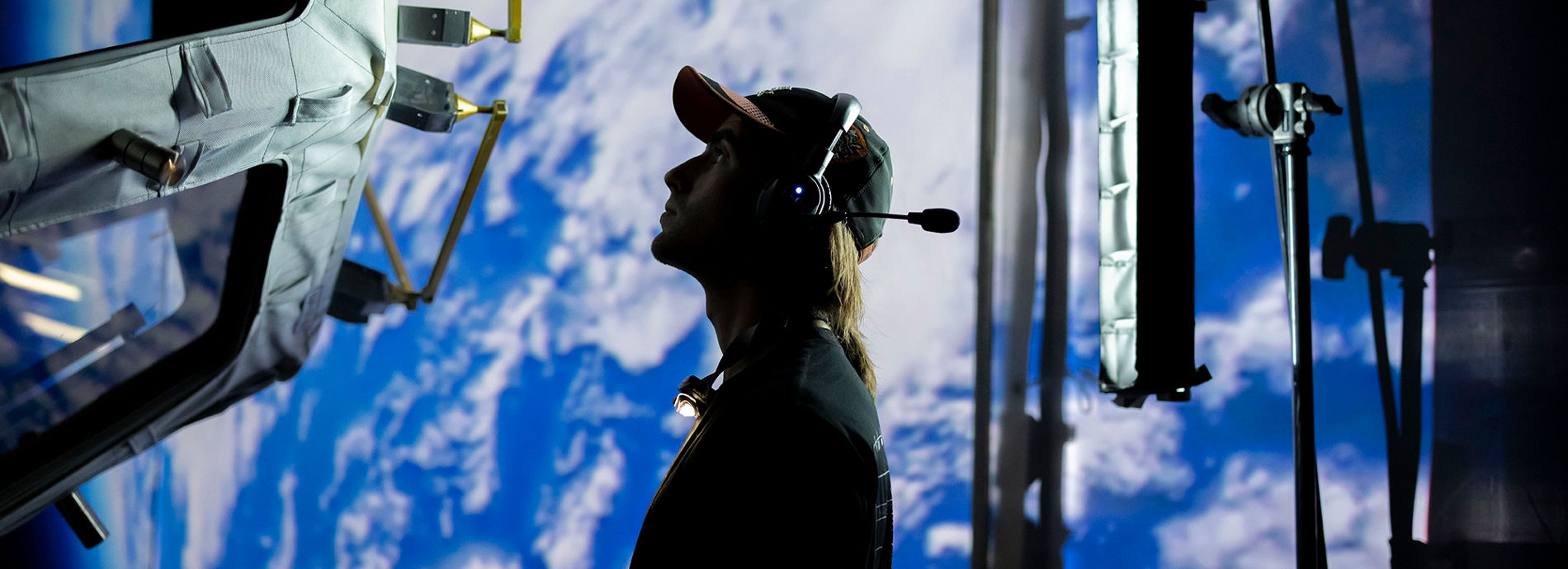
The Diploma of Technical Screen Production is a practice-based qualification designed to fast-track students into technical crew roles across Australia's film, television, and digital media industries. Developed in close collaboration with industry professionals, the diploma equips students with the hands-on technical and professional skills required for entry-level positions on screen productions — from studio shoots to location-based projects. Students train using professional-standard equipment in simulated production environments, rotating through key crew roles including camera assistant, boom operator, lighting assistant, production runner, and art department assistant. The curriculum covers core industry competencies such as on-set safety, crew communication protocols, technical equipment operations, production logistics, and post-production workflows.
The course is ideally suited to school leavers and career changers who want a direct, job-ready route into the screen sector without committing to a full bachelor's degree. Rather than focusing solely on creative directing or writing, this diploma targets the 'below-the-line' technical workforce — the essential crew members who keep productions running, including art directors, costume designers, assistant directors, location managers, and technical operators. Employers who recruit graduates include film and television production companies, broadcast networks, streaming service content producers, advertising agencies, live event production houses, and government-supported screen bodies such as Screen Australia, Screen NSW, Screen Queensland, and their state equivalents.
Australia's screen industry is experiencing sustained and significant growth, with employment rising by 37% between 2015–16 and 2021–22 and now supporting approximately 55,000 workers nationally. This expansion has been driven by the boom in streaming content demand from platforms such as Netflix, Disney+, and Amazon Prime, combined with increased government incentives attracting major international productions to Australian locations. Despite this growth, there remains a critical shortage of trained, job-ready technical crew — making diploma-qualified graduates highly sought after by production companies nationwide. The Diploma of Technical Screen Production directly addresses this skills gap by producing work-ready graduates who can step onto set from day one.
Beyond immediate employment prospects, this qualification also provides a strong foundation for further study or career advancement within the screen industry. The diploma is a self-contained qualification that opens doors to freelance, studio-based, and location-based work across Australia's rapidly expanding screen sector. For students who prefer a practical, vocational pathway over traditional academic study, this course offers an accelerated route to a dynamic and creatively rewarding career.
Most providers offering the Diploma of Technical Screen Production require applicants to have completed Year 12 (or equivalent), with an English subject at Units 3 and 4, Grade C or higher, being a common prerequisite. Some providers set a minimum ATAR or Selection Rank, though many diploma-level courses have no strict ATAR threshold and assess applicants holistically. Applicants who have not completed Year 12 may be considered on the basis of relevant work experience, prior study in a related field, or recognition of prior learning (RPL). Minimum age requirements typically apply, and prospective students are encouraged to confirm these with each provider.
For international students, English language proficiency must be demonstrated through tests such as IELTS or TOEFL, with indicative requirements around IELTS 6.0 overall. Some providers also conduct interviews or require applicants to submit a brief statement of interest or portfolio of any prior creative work, though this varies between institutions. Students with prior study in screen, media, or related creative arts disciplines may be eligible for credit towards the diploma. Applicants are strongly encouraged to contact their chosen provider for a detailed breakdown of current entry and English proficiency requirements, as these may differ between institutions and intakes.
This course may be offered in different study modes depending on the university, campus location, course structure and student type. Students should check the available delivery mode before applying, as not every study option is available at every institution.
On-campus study is the traditional mode of delivery where students attend classes, lectures, tutorials, workshops or seminars at the university campus. This option may suit students who prefer face-to-face learning, access to campus facilities, networking with classmates, practical workshops, group projects and direct engagement with academic staff.
Some universities may offer programs fully online or with online subject options. Online study can be attractive for students who need flexibility due to work, family, location or other commitments. Online study may suit domestic students, working professionals or students who want to study from outside Australia.
Hybrid or blended study usually combines online learning with some on-campus classes, workshops, intensive sessions or practical components. This mode may suit students who want flexibility but still want some face-to-face interaction. The exact structure varies between institutions.
Programs in Australia may have different intake structures depending on the university. The most common intake systems are semester, trimester and block mode.
Many Australian universities follow a two-semester academic calendar. The main intakes are commonly Semester 1 (around February or March) and Semester 2 (around July). Semester-based study usually allows students to complete a set number of subjects over approximately 12 to 14 weeks.
Some universities use a trimester system, which generally provides three study periods a year — around February/March, June/July and October/November. Trimester study may provide more flexibility and may help some students complete their course faster.
Some institutions may offer selected subjects or programs in block mode, where students focus on one subject at a time over a shorter, more intensive teaching period. Block mode may suit students who prefer concentrated learning or working professionals managing study around employment.
Some online or professionally focused programs may offer more frequent start dates or flexible entry points throughout the year. Students should not assume that every course has monthly or multiple intakes — availability depends on the institution, course structure and student type.
Graduates of the Diploma of Technical Screen Production are well-positioned to enter Australia's thriving screen industry across a broad range of technical and production support roles. The qualification targets the 'below-the-line' workforce that underpins every production — from major Hollywood blockbusters shot on the Gold Coast to broadcast television series in Sydney and Melbourne, to digital content studios and independent productions nationwide. Graduates may work as freelance contractors, as part of a permanent studio crew, or within broadcast networks, advertising production houses, digital media agencies, and live event companies. With experience, graduates can progress into specialist technical roles or production management positions, and may also choose to further their studies through associate degrees or bachelor programs.
Entry Level
Graduate / Assistant
Production Runner, Camera Assistant, Lighting Assistant, Boom Operator, Art Department Assistant, Production Assistant, Costume Assistant
Early Career
Technician / Coordinator
1st Assistant Camera, Key Grip, Gaffer, Production Coordinator, Set Dresser, Junior Video Editor, Digital Imaging Technician, 3rd Assistant Director
Mid-Level
Specialist / Senior Technician
Camera Operator, Cinematographer, Sound Recordist, Lighting Director, Post-Production Editor, Art Director, 1st Assistant Director, Production Manager
Senior Level
Department Head / Senior Manager
Director of Photography, Head of Department (Lighting/Sound/Art), Supervising Producer, Senior Production Manager, Post-Production Supervisor, Line Producer
Leadership
Director / Executive Producer / Head
Film Director, Executive Producer, Head of Production, Creative Director, Studio Operations Manager, Screen Agency Program Manager
Salaries in the Australian screen and media production industry vary significantly by role, experience, location, and whether work is freelance or salaried.
Melbourne
Melbourne is Australia's largest hub for television broadcast production, advertising content, and independent film, home to major studios, the ABC, Network Ten, and a thriving independent screen sector. The city's dense concentration of production companies, post-production houses, and creative agencies makes it an excellent base for diploma graduates seeking diverse and consistent work opportunities.
Sydney
Sydney is Australia's premier screen production city, hosting the country's largest film studio complex and serving as the base for major international productions as well as the headquarters of key broadcasters including the Nine Network and Seven Network. Graduates benefit from an enormous volume of production activity and strong pathways into both commercial and creative screen roles.
Brisbane
Brisbane and the nearby Gold Coast have emerged as one of Australia's fastest-growing screen production precincts, with world-class studio facilities attracting major Hollywood and international productions and strong backing from Screen Queensland. The region's booming production slate creates significant demand for trained technical crew, making it an ideal location for diploma graduates seeking immediate employment.
Perth
Perth has a growing screen industry supported by Screenwest and a strong local production community focused on documentary, television, and digital content creation. The city offers graduates access to a less competitive job market than the eastern states, along with unique location shooting opportunities across Western Australia's diverse landscapes.
Adelaide
Adelaide is home to a supportive and tightly-knit screen community underpinned by the South Australian Film Corporation, one of Australia's oldest screen agencies, and a growing reputation for attracting television drama and international co-productions. Students benefit from lower living costs, quality training facilities, and strong government support for the local screen industry.
Canberra
Canberra offers unique opportunities in documentary, government communications, and digital content production, with demand driven by federal government agencies, the ABC, and national cultural institutions such as the National Film and Sound Archive. The city's screen community is small but specialised, offering graduates a strong entry point into non-fiction and public sector media production.
Before choosing a course, students should compare:
International students who want to study in Australia should also consider additional requirements before applying.
Join successful graduates
Students Helped
Application Processed
Listed Universities
Listed Courses