Start building today!
Experience the Find the courses and unlock the true potential
Graphic Design is a creative discipline that combines visual communication, typography, colour theory, digital technology, and design thinking to produce compelling visual content across print and digital media. Courses in Australia at the certificate, diploma, and bachelor's degree levels provide students with both foundational design principles and advanced technical skills, preparing them to work across industries as diverse as advertising, publishing, tech, government, retail, and the not-for-profit sector. Students learn to use industry-standard tools such as the Adobe Creative Suite (Photoshop, Illustrator, InDesign), and develop expertise in areas including branding, packaging, digital media, UX/UI design, and motion graphics.
Graphic Design courses are designed for students with a passion for visual problem-solving, creativity, and communication. The programs blend studio-based practice with design theory, professional briefs, and real-world project work, ensuring graduates are industry-ready upon completion. Employers who hire graphic design graduates span a broad range of sectors including advertising and marketing agencies, design consultancies, corporate in-house teams, publishers, digital media companies, government departments, educational institutions, and start-ups. Australia's thriving creative economy and the growing importance of digital content creation mean that skilled graphic designers are sought after by organisations of every size and type.
Australia's graphic design industry is thriving, driven by the growing importance of visual communication across digital and print media. Businesses in virtually every sector — from retail and tourism to technology and education — are seeking skilled graphic designers to create engaging, memorable content that resonates with their audiences. The increasing demand for digital content, UX/UI specialists, motion designers, and brand strategists has fuelled significant growth in the industry, making this an excellent time to enter the field. Jobs in arts and design are also growing due to increased access to remote and freelance work, with graphic designers frequently building rewarding careers that offer creative flexibility and variety.
There is a notable skills gap in Australia for designers who can bridge traditional print expertise with emerging digital capabilities — including UX/UI design, motion graphics, social media content creation, and digital branding. Graduates who develop a broad, hybrid skill set are particularly well-positioned in the job market, with senior roles in creative direction and brand consultancy reaching AUD $120,000–$150,000 or more. Whether pursuing a full-time salaried position or a freelance career, graphic design offers Australians a dynamic, stimulating, and financially rewarding career path.
For bachelor's degree programs in Graphic Design, Australian students typically require a Year 12 (or equivalent) qualification with a competitive ATAR score — generally ranging from the mid-50s to the mid-70s depending on the institution, though more selective programs may require higher results. Many Australian universities also accept completion of an approved TAFE qualification, foundation program, or Certificate IV/Diploma in Design as an alternative pathway into the bachelor's degree. Diploma-level programs at TAFE or private colleges tend to have lower academic entry requirements, often requiring Year 11 completion or equivalent, making them accessible to a broader range of students.
A portfolio of creative work is a key component of applications for most bachelor's-level graphic design programs. While not always mandatory for initial entry, a strong portfolio demonstrating an interest in visual communication, art, or design can significantly strengthen an application and may be required as part of an audition or interview process. Some institutions accept digital portfolios submitted online, while others require in-person portfolio reviews or creative assessments as part of their selection process.
For international students, English language proficiency is typically required, with most institutions accepting an IELTS overall band score of 6.0 to 6.5 (with no band below 6.0), or equivalent scores in TOEFL, PTE, or other accepted tests. For postgraduate programs in graphic design or communication design, applicants generally need a relevant undergraduate degree and a portfolio demonstrating prior design experience, though some programs accept graduates from related creative disciplines.
This course may be offered in different study modes depending on the university, campus location, course structure and student type. Students should check the available delivery mode before applying, as not every study option is available at every institution.
On-campus study is the traditional mode of delivery where students attend classes, lectures, tutorials, workshops or seminars at the university campus. This option may suit students who prefer face-to-face learning, access to campus facilities, networking with classmates, practical workshops, group projects and direct engagement with academic staff.
Some universities may offer programs fully online or with online subject options. Online study can be attractive for students who need flexibility due to work, family, location or other commitments. Online study may suit domestic students, working professionals or students who want to study from outside Australia.
Hybrid or blended study usually combines online learning with some on-campus classes, workshops, intensive sessions or practical components. This mode may suit students who want flexibility but still want some face-to-face interaction. The exact structure varies between institutions.
Programs in Australia may have different intake structures depending on the university. The most common intake systems are semester, trimester and block mode.
Many Australian universities follow a two-semester academic calendar. The main intakes are commonly Semester 1 (around February or March) and Semester 2 (around July). Semester-based study usually allows students to complete a set number of subjects over approximately 12 to 14 weeks.
Some universities use a trimester system, which generally provides three study periods a year — around February/March, June/July and October/November. Trimester study may provide more flexibility and may help some students complete their course faster.
Some institutions may offer selected subjects or programs in block mode, where students focus on one subject at a time over a shorter, more intensive teaching period. Block mode may suit students who prefer concentrated learning or working professionals managing study around employment.
Some online or professionally focused programs may offer more frequent start dates or flexible entry points throughout the year. Students should not assume that every course has monthly or multiple intakes — availability depends on the institution, course structure and student type.
Graphic design graduates in Australia enter a broad and diverse career landscape spanning advertising agencies, in-house corporate design teams, digital media companies, publishing houses, marketing departments, government bodies, and design consultancies. The demand for designers who can work across both print and digital channels — and who are comfortable with UX/UI, motion graphics, and brand strategy — continues to grow, with Sydney, Melbourne, and Brisbane being the strongest markets by volume of advertised roles. Some graphic designers pursue freelance and independent studio careers, while others move into creative leadership positions as art directors, creative directors, or design managers.
Entry Level
Graduate / Junior Designer
Junior Graphic Designer, Graduate Designer, Desktop Publisher, Junior Digital Designer, Junior Illustrator
Early Career
Designer / Coordinator
Graphic Designer, Digital Designer, Visual Designer, Brand Designer, Marketing Designer, Web Designer
Mid-Level
Senior Designer / Specialist
Senior Graphic Designer, Senior Visual Designer, UX/UI Designer, Motion Graphics Designer, Packaging Designer, Publication Designer
Senior Level
Art Director / Lead Designer
Art Director, Lead Designer, Design Lead, Brand Manager, Senior UX/UI Designer, Communications Design Lead
Leadership
Creative Director / Design Director
Creative Director, Design Director, Head of Design, Studio Director, Brand Consultant, Design Principal
Salaries for graphic design graduates in Australia vary by experience level, city, sector, and whether the designer is employed or freelancing.
Melbourne
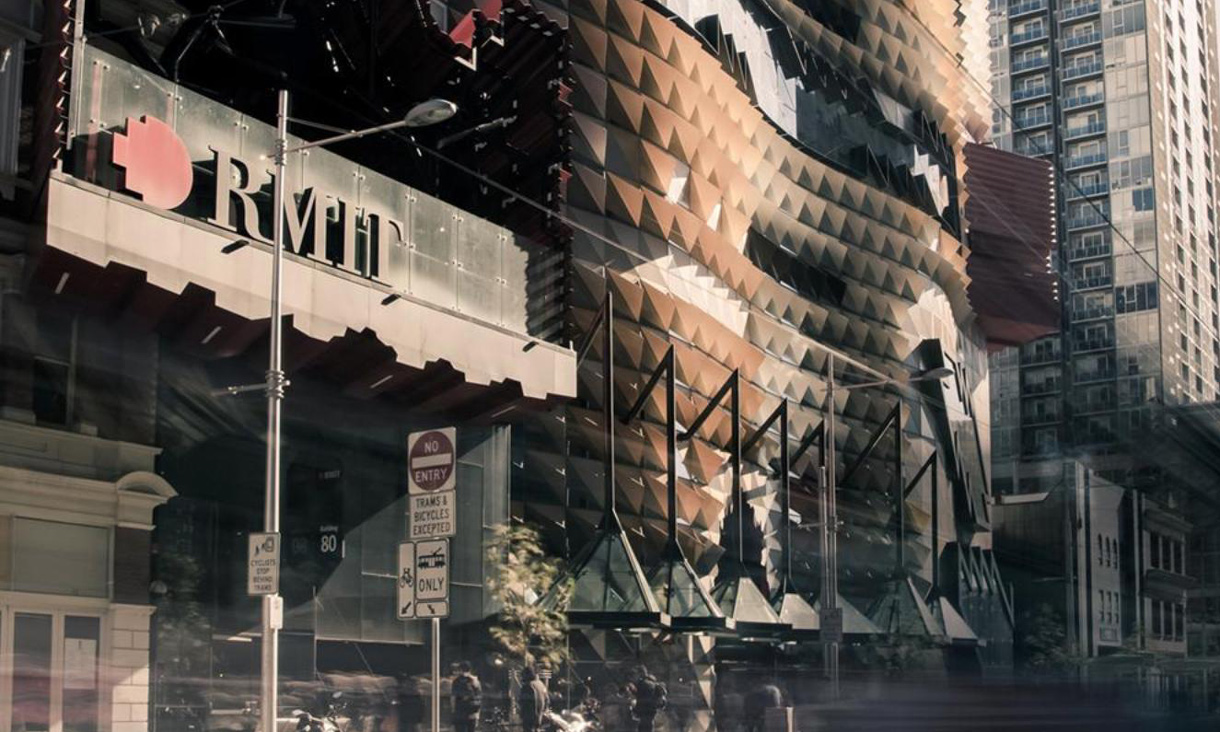
Melbourne is widely regarded as Australia's design capital, with a thriving creative precinct, dozens of leading design agencies, and a rich culture of independent studios, print makers, and brand consultancies. The city's dense concentration of creative industries, fashion, publishing, and tech companies makes it an exceptional city for graphic design graduates to build their careers and networks.
Sydney
Sydney is Australia's highest-paying market for graphic designers, with a high volume of advertised roles across advertising agencies, media companies, major corporate brands, and digital start-ups. The city's strong finance, retail, and technology sectors all require in-house and agency design talent, making it one of the most competitive and rewarding cities for ambitious graduates.
Brisbane
Brisbane has emerged as a strong regional design hub, with a rapidly growing start-up ecosystem, a flourishing creative sector, and significant investment in digital industries ahead of the 2032 Olympic Games. The city offers a slightly lower cost of living than Sydney or Melbourne while still providing solid employment opportunities across agencies, government, and the growing tech sector.
Perth
Perth offers graphic design graduates opportunities in a growing market, particularly within the resources, mining services, retail, and government sectors, many of which maintain substantial in-house design teams. The city's relative geographic isolation fosters a tight-knit creative community, and the lower cost of living can be advantageous for designers launching their careers.
Adelaide
Adelaide presents increasing prospects for graphic designers in the digital, educational, and government design sectors, with a growing number of creative agencies and a supportive arts community. The city's lower cost of living and more affordable studio spaces make it an attractive base for freelancers and those looking to establish their own design practice.
Canberra
Canberra is a unique market for graphic designers, with a strong concentration of federal government departments, cultural institutions, universities, and public sector bodies that regularly employ in-house designers and commission agency work. The city offers stable, well-paid positions — often classified under public service pay grades — and is a particularly good fit for designers interested in government communications, cultural institutions, and policy-related visual work.
Before choosing a course, students should compare:
International students who want to study in Australia should also consider additional requirements before applying.
Join successful graduates
Students Helped
Application Processed
Listed Universities
Listed Courses