Start building today!
Experience the Find the courses and unlock the true potential
The Master of Maritime Archaeology is a specialist postgraduate degree that equips students with advanced theoretical knowledge and hands-on practical skills in the study, excavation, recording, conservation, and management of underwater cultural heritage. The course covers a broad range of topics — from historic shipwrecks and ancient submerged landscapes to seafaring traditions, naval history, and maritime cultural seascapes — drawing on disciplines including archaeology, history, conservation science, marine geophysics, and heritage law. Students engage with both the science and the stories behind Australia's rich maritime past, developing the ability to investigate sites beneath rivers, harbours, lakes, and oceans using cutting-edge digital and scientific methods such as 3D photogrammetry, remote sensing, and artefact conservation. The program is designed for students who hold an undergraduate background in archaeology or a related discipline, and who wish to pursue a professional or research career in maritime and underwater cultural heritage. It suits those who are passionate about Australia's seafaring history, ocean environments, and the preservation of submerged cultural sites. Graduates are prepared to work across a wide range of sectors, including government heritage agencies, national and state museums, environmental and heritage consultancies, universities, and international organisations dedicated to the management and protection of underwater cultural heritage.
Australia has one of the world's most significant and extensive maritime heritage records, with thousands of shipwrecks, submerged Indigenous landscapes, and historic harbour sites protected under national and state legislation. The demand for qualified maritime archaeologists is growing steadily, driven by increased infrastructure and coastal development projects, expanding offshore energy industries, and heightened awareness of First Nations sea country heritage. Heritage consultancies, state and federal government bodies, and major cultural institutions are actively recruiting specialists with postgraduate qualifications, and the small size of this specialised profession means qualified graduates are in high demand both locally and internationally. Studying this course gives students access to a truly niche and globally respected field, where field school experiences, scientific diver training, and research dissertation opportunities set graduates apart. The intersection of environmental protection, Indigenous cultural heritage, digital technology, and maritime history means the profession continues to evolve, creating new career pathways in areas such as marine geophysics, digital heritage documentation, heritage policy, and community engagement.
Most Australian programs offering a Master of Maritime Archaeology require applicants to hold a bachelor's degree or equivalent qualification in archaeology or a closely related discipline, such as history, anthropology, classical studies, or heritage management. Some programs also accept applicants who hold an approved Graduate Certificate or Graduate Diploma in Archaeology or Maritime Archaeology, enabling those from adjacent fields to transition into the specialisation through a pathway qualification. Applicants whose undergraduate background is not in archaeology may be required to complete bridging or prerequisite topics in archaeology before or alongside their postgraduate studies. Strong academic performance at the undergraduate level is generally expected, and some programs may also consider relevant work or volunteer experience in heritage, museum work, or fieldwork contexts. Where students intend to undertake underwater fieldwork as part of their studies, appropriate diving qualifications may be required or encouraged, though diving is not always a mandatory prerequisite for entry into the academic program itself. International applicants must demonstrate English language proficiency, typically through an IELTS Academic score of at least 6.0 overall (with a minimum of 6.0 in Speaking and Writing), or equivalent results in TOEFL iBT, Pearson PTE Academic, or Cambridge C1 Advanced examinations.
This course may be offered in different study modes depending on the university, campus location, course structure and student type. Students should check the available delivery mode before applying, as not every study option is available at every institution.
On-campus study is the traditional mode of delivery where students attend classes, lectures, tutorials, workshops or seminars at the university campus. This option may suit students who prefer face-to-face learning, access to campus facilities, networking with classmates, practical workshops, group projects and direct engagement with academic staff.
Some universities may offer programs fully online or with online subject options. Online study can be attractive for students who need flexibility due to work, family, location or other commitments. Online study may suit domestic students, working professionals or students who want to study from outside Australia.
Hybrid or blended study usually combines online learning with some on-campus classes, workshops, intensive sessions or practical components. This mode may suit students who want flexibility but still want some face-to-face interaction. The exact structure varies between institutions.
Programs in Australia may have different intake structures depending on the university. The most common intake systems are semester, trimester and block mode.
Many Australian universities follow a two-semester academic calendar. The main intakes are commonly Semester 1 (around February or March) and Semester 2 (around July). Semester-based study usually allows students to complete a set number of subjects over approximately 12 to 14 weeks.
Some universities use a trimester system, which generally provides three study periods a year — around February/March, June/July and October/November. Trimester study may provide more flexibility and may help some students complete their course faster.
Some institutions may offer selected subjects or programs in block mode, where students focus on one subject at a time over a shorter, more intensive teaching period. Block mode may suit students who prefer concentrated learning or working professionals managing study around employment.
Some online or professionally focused programs may offer more frequent start dates or flexible entry points throughout the year. Students should not assume that every course has monthly or multiple intakes — availability depends on the institution, course structure and student type.
Graduates of a Master of Maritime Archaeology in Australia are prepared to work across a diverse and growing range of sectors. Key employers include federal and state government heritage agencies (such as the Australian Heritage Council, state heritage offices, and Parks Australia), national and state museums, heritage and environmental consultancies, universities and research institutions, the offshore energy and resources sector, and international cultural heritage organisations. The Australasian Institute for Maritime Archaeology (AIMA) and major institutions such as the Australian National Maritime Museum and Western Australian Museum employ maritime archaeology specialists on an ongoing basis, and private consultancies delivering heritage impact assessments for coastal and marine infrastructure projects are increasingly active in the marketplace.
Entry Level
Graduate / Assistant
Graduate Maritime Archaeologist, Archaeological Field Assistant, Heritage Research Assistant, Museum Collection Assistant, Cultural Heritage Graduate Officer
Early Career
Officer / Coordinator
Maritime Archaeologist, Cultural Heritage Officer, Heritage Consultant, Museum Curator (Associate), Underwater Heritage Project Officer
Mid-Level
Adviser / Specialist
Senior Maritime Archaeologist, Heritage Adviser (Sea Country), Shipwreck Site Specialist, Marine Heritage Consultant, Collection Curator (Maritime)
Senior Level
Manager / Senior Adviser
Maritime Archaeology Manager, Senior Heritage Consultant, Principal Archaeologist, Senior Curator, Underwater Cultural Heritage Program Manager
Leadership
Director / Head / Principal
Director of Maritime Heritage, Head of Archaeology, Principal Heritage Consultant, Research Director, Museum Director (Maritime Collections), University Professor of Maritime Archaeology
Salaries for maritime archaeology professionals in Australia vary based on sector, experience level, and geographic location, with government and museum roles often offering additional superannuation and benefits.
Melbourne
Melbourne offers strong connections to Heritage Victoria, which regulates and manages Victoria's extensive maritime heritage including hundreds of protected shipwrecks along its coastline, as well as proximity to major archaeology and heritage consultancies active in offshore infrastructure projects. The city's thriving cultural institutions and heritage sector provide excellent networking and employment prospects for graduates.
Sydney
Sydney is home to the Australian National Maritime Museum — one of the country's premier employers of maritime archaeologists — located at Darling Harbour, as well as major heritage consultancies and the NSW Heritage Office. The city's deep connection to colonial maritime history, its busy harbour, and strong museum and cultural sector make it an excellent base for graduates entering the profession.
Brisbane
Brisbane and Queensland more broadly offer growing opportunities in maritime heritage consulting, driven by extensive coastal development, offshore energy projects, and Queensland's significant shipwreck register. The city is a base for national heritage consultancies and provides access to a wide range of sea country and submerged cultural heritage projects across the state.
Perth
Perth is one of Australia's most important cities for maritime archaeology, home to the Western Australian Museum's world-renowned maritime archaeology department and the IMAS Shipwreck Galleries in Fremantle. Western Australia has the nation's largest collection of protected historic shipwrecks, including Dutch VOC vessels, making Perth an exceptional destination for anyone serious about maritime heritage.
Adelaide
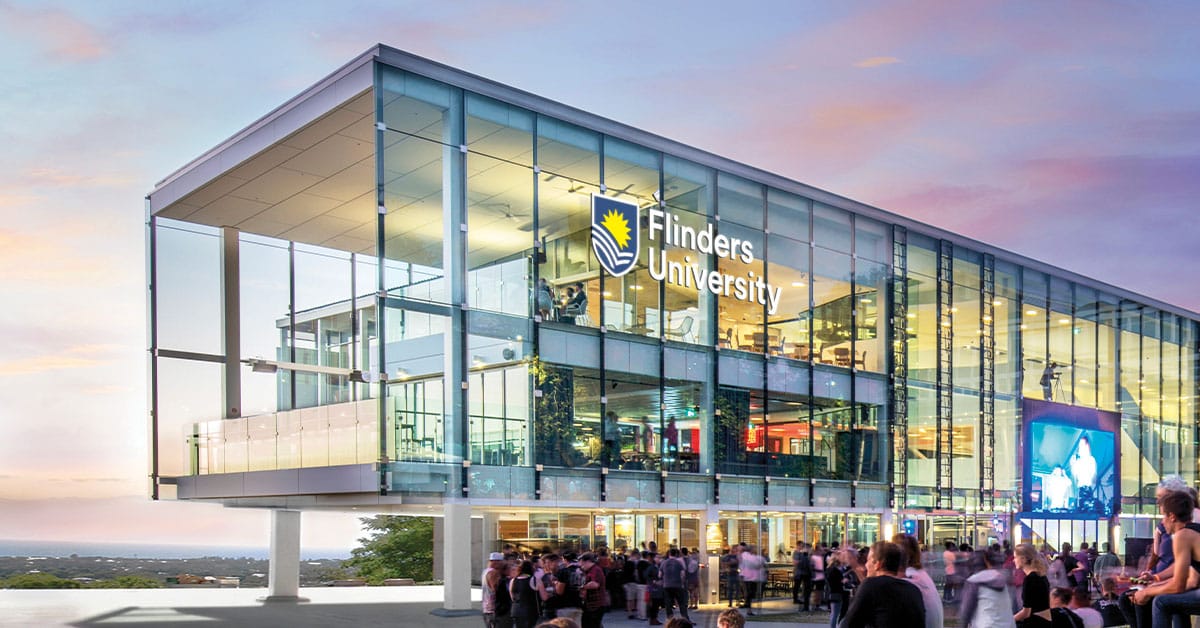
Adelaide is the home of Australia's leading postgraduate Maritime Archaeology program, offering students direct access to internationally recognised faculty, field schools, state-of-the-art laboratories, and a research environment steeped in maritime heritage expertise. The city's coastal access, proximity to South Australian shipwreck sites, and strong academic community make it the ideal location for in-depth postgraduate study in this field.
Canberra
As Australia's national capital, Canberra houses key federal heritage bodies including the Australian Heritage Council, the Department of Climate Change, Energy, the Environment and Water (which administers the Historic Shipwrecks Act), and a range of policy and research institutions. Graduates interested in maritime heritage policy, legislation, and national-level heritage management will find Canberra a strategically important professional base.
Before choosing a course, students should compare:
International students who want to study in Australia should also consider additional requirements before applying.
Join successful graduates
Students Helped
Application Processed
Listed Universities
Listed Courses