Start building today!
Experience the Find the courses and unlock the true potential
The Master of Virtual Production is a cutting-edge postgraduate degree that sits at the intersection of filmmaking, real-time technology, and visual effects. It prepares graduates for a fundamental transformation taking place across the screen and entertainment industries, equipping them with hands-on expertise in LED volume filmmaking, motion capture, real-time 3D rendering, game engine workflows, virtual reality, and visual effects pipelines. Students develop both the creative and technical skills needed to design, manage, and execute virtual production projects from pre-visualisation through to final delivery — the same techniques used in landmark productions like The Mandalorian, Avatar, and Game of Thrones.
This degree is designed for creative professionals who want to future-proof their careers in film, television, animation, advertising, gaming, and immersive media. It suits both those entering the screen industry for the first time at a postgraduate level and experienced screen practitioners looking to upskill or pivot into this rapidly growing specialisation. Students study with practising virtual production specialists and gain access to purpose-built facilities including professional-grade LED volume studios and motion capture systems. The course aims to produce flexible, highly skilled reflective practitioners who can operate with autonomy and confidence using advanced technical, analytical, and entrepreneurial skills.
Employers of graduates span the full breadth of Australia's screen and digital industries, including film and television production companies, post-production houses, visual effects studios, streaming platforms, advertising agencies, game development studios, theme park and immersive experience operators, broadcast networks, and educational institutions. International industry partners such as Technicolor, Unreal Engine, and major streaming studios are increasingly seeking graduates with verified virtual production credentials, making this one of the most globally in-demand qualifications in the creative arts sector.
Australia's screen and digital production industry is experiencing extraordinary growth, driven by a surge in streaming content demand, international co-productions, and the rapid adoption of virtual production technologies. The video post-production industry in Australia is expected to exceed $500 million in revenue within the next five years, and the screen sector in New South Wales alone is worth approximately $1.2 billion annually, supporting around 15,000 jobs. Despite this growth, there is a significant skills gap — virtual production roles such as LED volume operators, real-time environment artists, and virtual production supervisors are among the hardest positions to fill in Australia. Graduates with formal postgraduate training in this field are exceptionally well-positioned to enter a workforce that is hungry for talent.
Beyond local demand, virtual production skills are globally transferable. Streaming giants, Hollywood studios, and international broadcasters all rely on the same tools — Unreal Engine, motion capture, LED volumes — meaning Australian graduates can compete for roles around the world. The convergence of film, gaming, and immersive technology also means career pathways are diverse and expanding, reaching into areas like theme parks, virtual reality experiences, architectural visualisation, and live events. Studying a Master of Virtual Production now places graduates at the leading edge of an industry transformation that shows no signs of slowing.
To be eligible for a two-year Master of Virtual Production, applicants typically need to hold a bachelor's degree or equivalent qualification from a recognised tertiary institution, ideally in a related field such as film, media, design, visual effects, animation, game development, or interactive media. Some programs accept applicants from non-related disciplines if they can demonstrate relevant professional experience in the screen or creative industries. No portfolio is generally required for entry into the standard master's program, making it more accessible than many other postgraduate creative arts degrees. For the accelerated one-year pathway, applicants typically need a Graduate Diploma or Honours-level bachelor's degree in a relevant discipline such as Visual Effects and Entertainment Design.
For international students, English language proficiency is a standard requirement. Typical benchmarks include an IELTS Academic score of at least 6.0 overall (with no band below 6.0 in Speaking and Writing), a TOEFL iBT score of 72 or above, or a Pearson PTE Academic score of 50 or higher. Some institutions also accept the Cambridge C1 Advanced or the Occupational English Test (OET) with equivalent scores. Applicants who have completed their undergraduate studies in English may be exempt from language testing requirements, subject to institutional policy.
In terms of experience, while formal work history in the industry is not always mandatory, applicants with backgrounds in film production, broadcast media, game development, architecture, or interactive design will be strongly positioned. Some programs offer a pathway from a Graduate Certificate to a Graduate Diploma and then to the full master's degree, allowing students to step into the qualification at the level appropriate to their existing background. Prospective students are encouraged to contact institutions directly to discuss recognition of prior learning (RPL) if they have substantial industry experience.
This course may be offered in different study modes depending on the university, campus location, course structure and student type. Students should check the available delivery mode before applying, as not every study option is available at every institution.
On-campus study is the traditional mode of delivery where students attend classes, lectures, tutorials, workshops or seminars at the university campus. This option may suit students who prefer face-to-face learning, access to campus facilities, networking with classmates, practical workshops, group projects and direct engagement with academic staff.
Some universities may offer programs fully online or with online subject options. Online study can be attractive for students who need flexibility due to work, family, location or other commitments. Online study may suit domestic students, working professionals or students who want to study from outside Australia.
Hybrid or blended study usually combines online learning with some on-campus classes, workshops, intensive sessions or practical components. This mode may suit students who want flexibility but still want some face-to-face interaction. The exact structure varies between institutions.
Programs in Australia may have different intake structures depending on the university. The most common intake systems are semester, trimester and block mode.
Many Australian universities follow a two-semester academic calendar. The main intakes are commonly Semester 1 (around February or March) and Semester 2 (around July). Semester-based study usually allows students to complete a set number of subjects over approximately 12 to 14 weeks.
Some universities use a trimester system, which generally provides three study periods a year — around February/March, June/July and October/November. Trimester study may provide more flexibility and may help some students complete their course faster.
Some institutions may offer selected subjects or programs in block mode, where students focus on one subject at a time over a shorter, more intensive teaching period. Block mode may suit students who prefer concentrated learning or working professionals managing study around employment.
Some online or professionally focused programs may offer more frequent start dates or flexible entry points throughout the year. Students should not assume that every course has monthly or multiple intakes — availability depends on the institution, course structure and student type.
Graduates of the Master of Virtual Production are equipped for a diverse and rapidly expanding range of careers across Australia's screen, digital, and entertainment industries. The convergence of film, game engine technology, and immersive media has created entirely new specialist roles that simply did not exist a decade ago. Graduates may find employment with film and television production companies, major VFX and post-production houses, advertising and branded content studios, streaming platforms, game developers, theme park operators, and immersive experience designers. With the right experience, roles are also available with international studios, making this one of the most geographically mobile qualifications in the creative sector.
Entry Level
Graduate / Assistant
Junior VFX Artist, Production Assistant (Virtual Production), Motion Capture Technician Assistant, Junior Previs Artist, Virtual Production Runner
Early Career
Specialist / Coordinator
VFX Artist, Virtual Production Coordinator, Real-Time Environment Artist, Previs Artist, LED Volume Operator, Motion Capture Technician
Mid-Level
Senior Specialist / Lead
Senior VFX Artist, Lead Real-Time Environment Artist, Senior Virtual Production Coordinator, Technical Director (Virtual Production), Lead Previs Artist
Senior Level
Supervisor / Manager
VFX Supervisor, Virtual Production Supervisor, Post-Production Supervisor, Lead Technical Director, Digital Production Manager
Leadership
Director / Head / Principal
Head of Virtual Production, Creative Director (Virtual Production), Head of VFX, Executive Producer (Digital & Interactive), Director of Immersive Experience
Salaries in virtual production in Australia vary considerably by role, experience level, and employer, with technical and supervisory roles commanding premium rates reflecting the scarcity of qualified talent.
Melbourne
Melbourne is Australia's creative capital and home to a thriving screen production ecosystem including major VFX studios, broadcast networks, and an active independent film community; the city's Southbank arts precinct hosts world-class virtual production facilities including LED volume studios at leading institutions, and its proximity to major streaming and production companies makes it an ideal base for virtual production graduates seeking industry connections and employment.
Sydney
Sydney is the commercial heart of Australia's screen industry, with the state's sector worth approximately $1.2 billion annually and supporting around 15,000 jobs; the city has attracted major international productions including Thor: Love and Thunder and Mad Max: Furiosa, creating strong demand for locally trained virtual production specialists across its network of studios, post-production houses, and broadcasters.
Brisbane
Brisbane is rapidly emerging as a screen production hub, bolstered by Queensland's generous production incentives and significant investment in studio infrastructure including Village Roadshow Studios on the Gold Coast; the region's growing appetite for both domestic and international productions makes it an increasingly attractive location for virtual production graduates looking to enter the industry in a less competitive but fast-growing market.
Perth
Perth's screen industry is smaller but growing, with Western Australia offering production incentives and a developing pool of independent production companies and content creators; the city is particularly well-suited for students who combine virtual production with interests in mining technology visualisation, architectural visualisation, or remote location virtual set work, industries where real-time 3D skills are increasingly in demand.
Adelaide
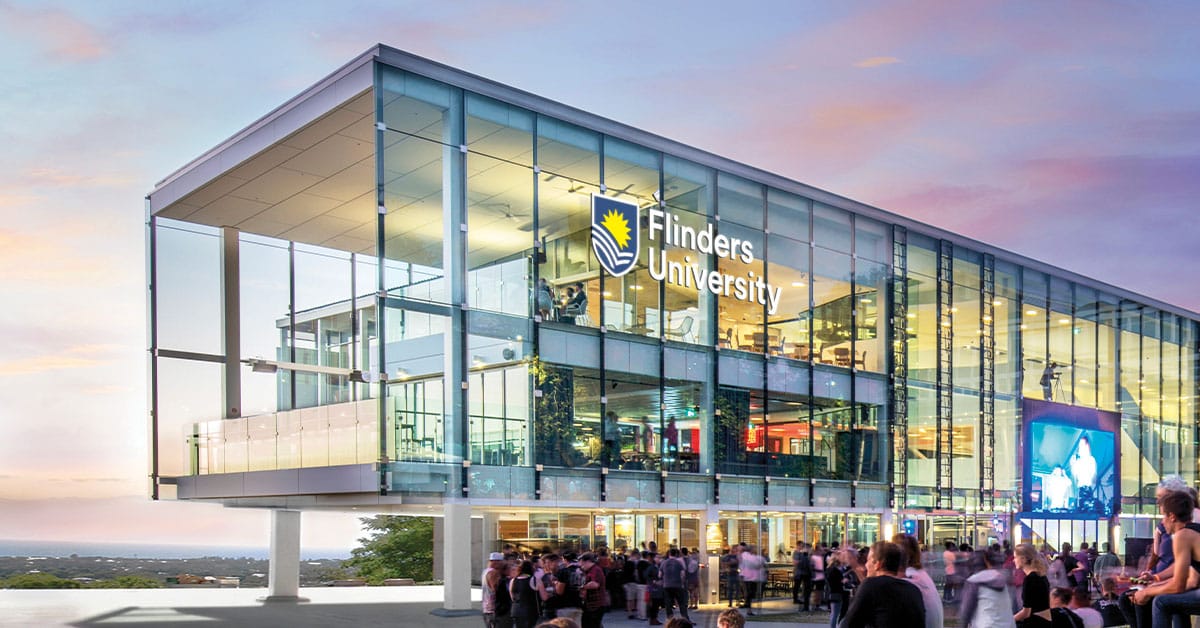
Adelaide is home to Australia's pioneering postgraduate Virtual Production program and its purpose-built motion capture and LED volume facility — The Void — meaning students here have direct access to one of the most specialised virtual production education environments in the country; the city also benefits from South Australia's Incentive for the Production Industry and a growing creative technology sector.
Canberra
Canberra offers virtual production graduates unique opportunities in government-funded content production, cultural institutions, immersive museum experiences, and public sector digital communications; while smaller in scale than Sydney or Melbourne, the city's strong public sector presence and growing creative technology community provide a distinctive niche for graduates interested in heritage, educational, or governmental virtual production applications.
Before choosing a course, students should compare:
International students who want to study in Australia should also consider additional requirements before applying.
Join successful graduates
Students Helped
Application Processed
Listed Universities
Listed Courses