Start building today!
Experience the Find the courses and unlock the true potential
Course Overview
Where You Can Study
Melbourne
Victoria University City Campus, 364-378 Little Lonsdale Street, Melbourne, VIC 3000
Student Information
Provider's Published Fee
Duration
Eligibility
International students:
Career & Study Pathways
Quality & Recognition
Academic Regulator
TEQSA
Accreditation Status
AccreditedCourse Content
Research Methods
12 credit points
Community Development: Theory and Practice
12 credit points
Community Development: Project Planning and Management
12 credit points
Transnational Gender Issues and Human Rights
12 credit points
Building Capacity and Mobilising Civil Society
12 credit points
Conflict Resolution in Groups and Communities
12 credit points
Research Thesis (Part 1)
24 credit points
Research Thesis (Part 2)
24 credit points
Community-Based Research (Part 1)
24 credit points
Community-Based Research (Part 2)
24 credit points
Interpreting 'Asia' and the 'Pacific'
Elective unit — 12 credit points
Indigenous Perspectives in Learning and Teaching
Elective unit — 12 credit points
Engaging Communities for Sustainability
Elective unit — 12 credit points
Migration, Culture and Identity
Elective unit — 12 credit points
Management in Non-Government Organisations
Elective unit — 12 credit points
Regional and International Organisations and Policy
Elective unit — 12 credit points
Study Tour
Elective unit — 12 credit points
Foundations of Public Health
Elective unit — 12 credit points
Global Food Systems and Food Security
Elective unit — 12 credit points
Concepts in Humanitarian Assistance
Elective unit — 12 credit points
Common Questions
To complete the Master of International Community Development, students are required to complete 192 credit points consisting of: 72 credit points of Core studies, 72 credit points of Elective studies, and 48 credit points of either Community-Based Research or Research Thesis Capstone Studies.
Applicants with a four-year undergraduate degree can apply directly to this masters degree. Alternatively, if you have a three-year undergraduate degree or equivalent, you can apply for the Graduate Certificate or Graduate Diploma in International Community Development and then proceed to the masters. Completion of one stage gives you credit towards the next.
The Master of International Community Development is a full-fee course (not government subsidised), with indicative fees of AU$27,000 per year for a full-time student. In addition to tuition fees, students will also need to pay a Student Services and Amenities Fee (SSAF).
Yes, through partnerships with educational, business and community organisations including other universities and NGOs such as the National University of Timor Leste (UNTL), students have completed placements in countries including Timor Leste, Fiji, Cambodia, Thailand, Malaysia, India, Bangladesh, Mauritius, Kenya, and Botswana. There is also a Study Tour elective unit available.
VU offers expertise in several specialised research areas including community resilience, liveable and inclusive cities, cultural diversity and wellbeing, and community, identity and displacement. The Community, Identity and Displacement Research Network (CIDRN) promotes research into displacement, identity, community and change, focused on Melbourne's west. The Social & Cultural Transformation research program, part of the Institute for Sustainable Industries & Liveable Cities, conducts research relating to social inclusion, community development, inclusive and transformational education, and social justice.
Application
Three simple steps to get enrolled
Step 01
Enquire
Click "Enquire Now" and tell us a little about yourself. It's free and takes 2 minutes.
Step 02
Submit Documents
Our team will guide you on exactly which documents to prepare and submit.
Step 03
Get Enrolled
Receive your offer letter and confirm your enrolment. Welcome to the course!
Processing time: Offer letter issued within approximately 1 business days.
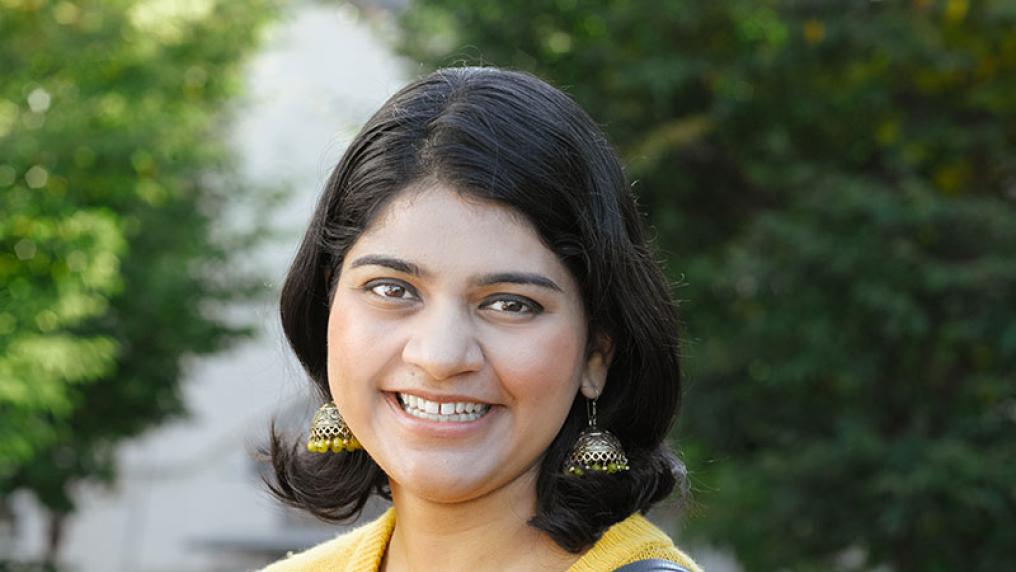
Honestly I was lost when I first started looking at Australian colleges. There are just too many options and every agent gives you different info. A friend told me about FindTheCourses and within a week I had shortlisted 3 programs that actually matched my budget and visa situation. My advisor Sanjay was super helpful — never felt like I was being pushed into anything.

Priya Sharma
India
Master of Nursing · Griffith University