
Bachelor of Dermal Sciences
Available from 1 institute
Course Overview
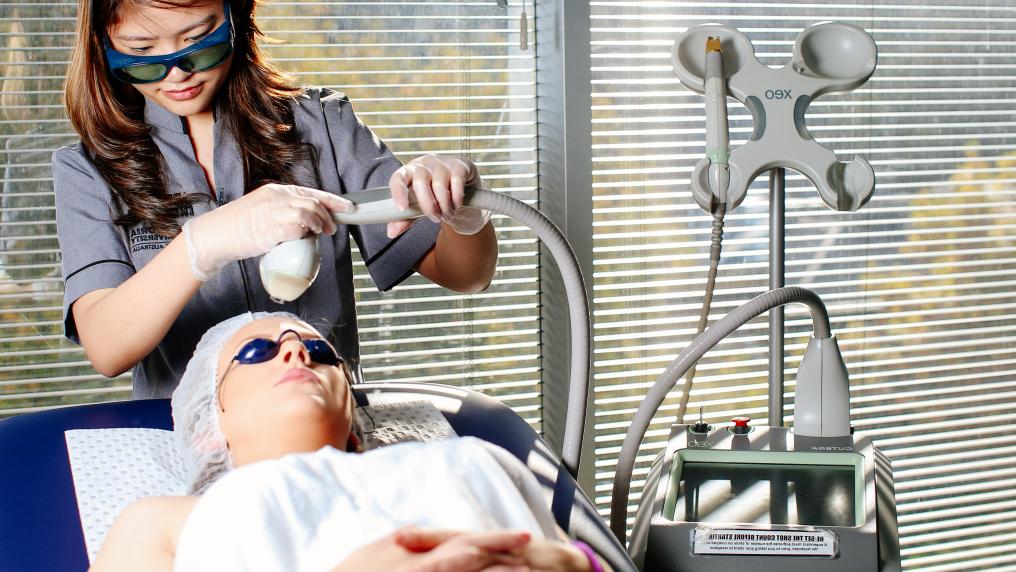
A Bachelor of Dermal Sciences (and its equivalents such as the Bachelor of Health Science in Dermal Therapies or Bachelor of Applied Health Science in Clinical Aesthetics) is a specialist undergraduate degree that trains students to become qualified dermal clinicians or dermal therapists — highly skilled skin health professionals who perform evidence-based, non-surgical cosmetic and clinical skin treatments. The degree blends rigorous scientific foundations in human biology, skin physiology, and pathology with advanced clinical training in modalities such as laser and light-based therapies, chemical peels, microdermabrasion, skin needling, lymphatic procedures, and pre- and post-operative care for clients undergoing plastic, reconstructive, or cosmetic surgery. Students learn to identify, assess, and manage a broad range of skin conditions including acne, rosacea, pigmentation disorders, scarring, and photo-aged skin, using the latest clinical technologies and evidence-based protocols. The degree is typically three to four years full-time and is accredited at Level 7 of the Australian Qualifications Framework (AQF), with graduates eligible to apply for full membership of the Australian Society of Dermal Clinicians (ASDC).
This course is ideal for students passionate about skin science, health, and aesthetics who want a career that combines clinical expertise with a client-focused, hands-on working environment. It suits both school leavers with a science background and working professionals from beauty therapy, nursing, or allied health who wish to advance their qualifications. Graduates are equipped to work independently or collaboratively with reconstructive and aesthetic surgeons, dermatologists, skin cancer practitioners, nurses, and general practitioners across a wide range of settings. Employers include cosmetic and plastic surgery practices, dermal therapy and laser clinics, dermatology centres, medi-spas, burns clinics, wellness centres, skincare product companies, and the vocational education sector.
Why Study This Course?
Australia's medical aesthetics and dermal therapy sector is experiencing robust growth, with the medical aesthetics market valued at USD 396.4 million in 2025 and projected to nearly double to USD 784.8 million by 2034 — a compound annual growth rate of 7.89%. Consumer demand for non-invasive cosmetic procedures is accelerating, driven by an ageing population, growing health awareness, and increasing acceptance of aesthetic treatments across all demographics including younger consumers and men. Beauty therapists have been included on Jobs and Skills Australia's national Occupation Shortage List since 2022, and employment in this field is projected to grow by 11.5% between 2024 and 2034, signalling a sustained demand for highly qualified practitioners. Australia currently faces a chronic shortage of qualified aesthetic practitioners, meaning graduates with bachelor-level qualifications in dermal science are exceptionally well-placed to secure employment and command competitive salaries upon graduation.
Beyond strong employment prospects, studying at this level elevates practitioners above those with vocational qualifications, granting access to the protected title of 'Dermal Clinician' through ASDC full membership, a wider scope of clinical practice, and opportunities in leadership, education, product development, and clinic management. The credential also serves as a pathway into postgraduate study at Australian universities, enabling further specialisation in areas such as health science, dermatology support, or health management. As regulatory scrutiny of the aesthetics industry intensifies — particularly around laser licensing and cosmetic procedures — employers are increasingly seeking degree-qualified professionals who can demonstrate clinical governance, risk management, and evidence-based practice.
What You'll Learn
Skills You'll Develop
Common Course Names in Australia
- Bachelor of Dermal Sciences
- Bachelor of Health Science (Dermal Therapies)
- Bachelor of Applied Health Science (Clinical Aesthetics)
- Bachelor of Health Science in Dermal Therapies
- Bachelor of Applied Health Science (Dermal Therapy)
- Bachelor of Dermal Therapy
- Bachelor of Clinical Aesthetics
- Bachelor of Health Science (Clinical Dermal)
Typical Subjects
Entry Requirements
For school leavers, most programs require completion of an Australian Senior Secondary Certificate (Year 12 or equivalent), including a satisfactory English result — typically a study score of at least 20 in English (or 25 in English as an Additional Language) at Units 3 and 4. Some institutions set a minimum ATAR around 60–65, while others have no ATAR requirement and assess applicants holistically. Alternative entry pathways are widely available: completion of an Australian Diploma, Advanced Diploma, or Certificate IV (AQF Level 4 or above), a vocational qualification in beauty therapy or allied health, or demonstrated work and life experience in health sciences (typically a minimum of five years) can all satisfy entry criteria. Applicants wishing to be considered on the basis of work/life experience or personal motivation are usually required to submit a personal statement or resume along with supporting documentation such as employer references or records of professional development activities.
All students who undertake clinical placements as part of this degree are required to hold a valid Working with Children (WWC) Check for their relevant state, a National Police Record Check, and to declare their health and immunisation status prior to clinical practice. Some inherent physical and cognitive requirements apply, including the ability to perform hands-on clinical tasks, communicate clearly in English (both written and verbal), apply numeracy skills for treatment parameters, and comply with relevant workplace health and safety and laser safety standards. International applicants must demonstrate English language proficiency, most commonly via an overall IELTS score of 6.0 with no individual band below 6.0, or equivalent scores in TOEFL iBT (67+), PTE Academic (50–57), or Cambridge Advanced (169+). Credit and advanced standing may be available for students with prior qualifications or experience in beauty therapy, nursing, or related health sciences.
Mode of Study
This course may be offered in different study modes depending on the university, campus location, course structure and student type. Students should check the available delivery mode before applying, as not every study option is available at every institution.
On-Campus Study
On-campus study is the traditional mode of delivery where students attend classes, lectures, tutorials, workshops or seminars at the university campus. This option may suit students who prefer face-to-face learning, access to campus facilities, networking with classmates, practical workshops, group projects and direct engagement with academic staff.
Online Study
Some universities may offer programs fully online or with online subject options. Online study can be attractive for students who need flexibility due to work, family, location or other commitments. Online study may suit domestic students, working professionals or students who want to study from outside Australia.
Hybrid or Blended Study
Hybrid or blended study usually combines online learning with some on-campus classes, workshops, intensive sessions or practical components. This mode may suit students who want flexibility but still want some face-to-face interaction. The exact structure varies between institutions.
Intake Information
Programs in Australia may have different intake structures depending on the university. The most common intake systems are semester, trimester and block mode.
Semester Intakes
Many Australian universities follow a two-semester academic calendar. The main intakes are commonly Semester 1 (around February or March) and Semester 2 (around July). Semester-based study usually allows students to complete a set number of subjects over approximately 12 to 14 weeks.
Trimester Intakes
Some universities use a trimester system, which generally provides three study periods a year — around February/March, June/July and October/November. Trimester study may provide more flexibility and may help some students complete their course faster.
Block Mode
Some institutions may offer selected subjects or programs in block mode, where students focus on one subject at a time over a shorter, more intensive teaching period. Block mode may suit students who prefer concentrated learning or working professionals managing study around employment.
Flexible or Rolling Intakes
Some online or professionally focused programs may offer more frequent start dates or flexible entry points throughout the year. Students should not assume that every course has monthly or multiple intakes — availability depends on the institution, course structure and student type.
Assessment & Practical Learning
Assessment Methods
- Written academic assignments and literature reviews
- Clinical competency assessments and practical skills sign-offs
- Case studies and client treatment plans
- Online quizzes and knowledge tests
- Objective Structured Clinical Examinations (OSCEs)
- Clinical placement performance appraisals by supervising clinicians
- Portfolio development documenting clinical hours and reflective practice
- Research projects and evidence-based practice reports
- Group projects and collaborative case presentations
- Oral presentations and seminar participation
- Simulation-based clinical scenarios
- Reflective journals on professional development and clinical experiences
- Activity-based assignments integrating theory and practical application
- Anatomy and physiology written examinations
- Laser safety and clinical governance compliance assessments
Practical Components
- Supervised clinical placements in external dermal therapy clinics, cosmetic practices, or dermatology centres
- On-campus student-led clinic treating real clients under faculty supervision
- Hands-on laser and IPL device training using industry-standard equipment
- Chemical peel and skin resurfacing practical workshops
- Microdermabrasion and skin needling technique laboratories
- Clinical skin assessment and consultation practicums
- Pre- and post-operative skin care simulation exercises
- Infection control and clinical governance practical training
- Laser safety training meeting state licensing requirements (WA, QLD, TAS)
- Work-integrated learning in medical aesthetic companies or cosmetic surgery practices
- Product and cosmetic chemistry practical workshops
- Body treatment and lymphatic drainage clinical workshops
Career Opportunities
Graduates of a Bachelor of Dermal Sciences enter a dynamic and expanding career landscape with opportunities across clinical, commercial, and educational sectors. They can work independently or as part of multidisciplinary teams alongside cosmetic surgeons, dermatologists, nurses, and general practitioners. Employment settings include cosmetic and laser clinics, dermatology practices, plastic and reconstructive surgery centres, burns clinics, medi-spas, wellness centres, skin cancer clinics, skincare product companies, and vocational education providers. With experience, graduates can move into clinic management, product development, industry training, sales representation, and business ownership — with some establishing their own clinics.
Possible Job Roles
Career Ladder
Entry Level
Graduate Dermal Therapist / Junior Clinician
Dermal Therapist, Junior Laser Clinician, Graduate Skin Therapist, Junior Clinical Aesthetician
Early Career
Dermal Clinician / Laser Clinician
Dermal Clinician, Laser and IPL Clinician, Medical Aesthetic Therapist, Cosmetic Skin Care Specialist, Pre- and Post-Operative Skin Clinician
Mid-Level
Senior Dermal Clinician / Specialist
Senior Dermal Clinician, Senior Laser Therapist, Burns and Scar Management Specialist, Skin Cancer Clinic Specialist, Cosmetic Product Educator
Senior Level
Lead Clinician / Clinic Manager
Clinic Manager, Lead Dermal Clinician, Head Therapist, Dermal Therapy Educator, Industry Training Coordinator
Leadership
Director / Principal / Business Owner
Clinic Director, Clinic Owner / Principal, Head of Dermal Science Education, Cosmetic Research and Development Manager, National Trainer for Medical Aesthetic Company
Average Salary in Australia
Salaries for dermal science graduates in Australia vary based on experience, qualifications, location, and clinical setting.
Study Options Across Australia
Melbourne
Melbourne is the heartland of dermal science education in Australia, home to several leading providers offering purpose-built on-campus dermal clinics with industry-standard equipment. The city's large and cosmopolitan population, thriving cosmetic medicine sector, and concentration of plastic surgery and dermatology practices make it an ideal hub for placements and graduate employment, with a vibrant professional community supported by the Australian Society of Dermal Clinicians.
Sydney
Sydney boasts a highly competitive and well-established medical aesthetics market, with a high density of cosmetic surgery centres, laser clinics, and medi-spas concentrated in affluent inner-city and suburban areas such as the North Shore and Eastern Suburbs. Students benefit from access to a wide range of clinical placement settings and strong graduate employment demand, with dermal clinicians actively recruited by prominent cosmetic practices and national clinic chains.
Brisbane
Brisbane is home to dermal therapy programs with student-led on-campus clinics, and Queensland's regulatory framework — requiring licensed laser operators — means qualified dermal science graduates are particularly valued in the local market. The city's growing population and expanding cosmetic services industry, combined with Queensland Health's specific authorisation requirements for cosmetic laser training, make Brisbane an excellent location for graduates seeking specialised employment.
Perth
Perth offers strong career prospects for dermal science graduates, as Western Australia has specific laser licensing requirements overseen by the Radiological Council, meaning degree-level qualifications are highly regarded and formally recognised by regulators. The city's affluent demographics and growing number of cosmetic and dermatology clinics create solid local demand for qualified dermal clinicians, and several training providers offer practical clinic sessions in the Perth metropolitan area.
Adelaide
Adelaide's growing wellness and aesthetics sector, combined with a lower cost of living and a supportive small-business environment, makes it an attractive base for graduates who aspire to establish or join boutique dermal clinics. Employment shortages in the aesthetics field have been recorded in South Australia, meaning qualified graduates entering the Adelaide market face reduced competition and strong demand from established clinics and practices.
Canberra
Canberra's high average household income and well-educated population drive consistent demand for premium cosmetic and dermal services, and the ACT has been identified as having employment shortages in the beauty and aesthetics field, creating real opportunities for graduating dermal clinicians. The city's compact professional community allows graduates to quickly build strong client bases and professional networks, and proximity to major Sydney providers supports access to continuing professional development.
Who Should Study This Course?
- Students with a passion for skin science, human biology, and evidence-based clinical practice
- Beauty therapists seeking to advance their qualifications and expand into clinical, laser, and medical aesthetic treatments
- Allied health or nursing professionals looking to specialise in cosmetic and dermal therapy
- People who enjoy hands-on, client-facing work in a clinical or healthcare-adjacent environment
- Students interested in the intersection of science, aesthetics, and health — combining artistry with clinical precision
- Entrepreneurs and future business owners who want to own and operate their own dermal or aesthetic clinic
- Individuals motivated by helping clients improve their skin health, confidence, and quality of life
- Career changers seeking a growing, in-demand profession with diverse employment options across Australia
- Students who want a flexible pathway — many programs offer part-time and hybrid online/on-campus delivery
- Those interested in progressing further into postgraduate study in health sciences, dermatology support, or health management
Things to Consider Before Applying
Before choosing a course, students should compare:
Additional Information for International Students
International students who want to study in Australia should also consider additional requirements before applying.
Start Your Journey
Join successful graduates
2,000+
Students Helped
$200+
Application Processed
350+
Listed Universities
10,000+
Listed Courses