Start building today!
Experience the Find the courses and unlock the true potential
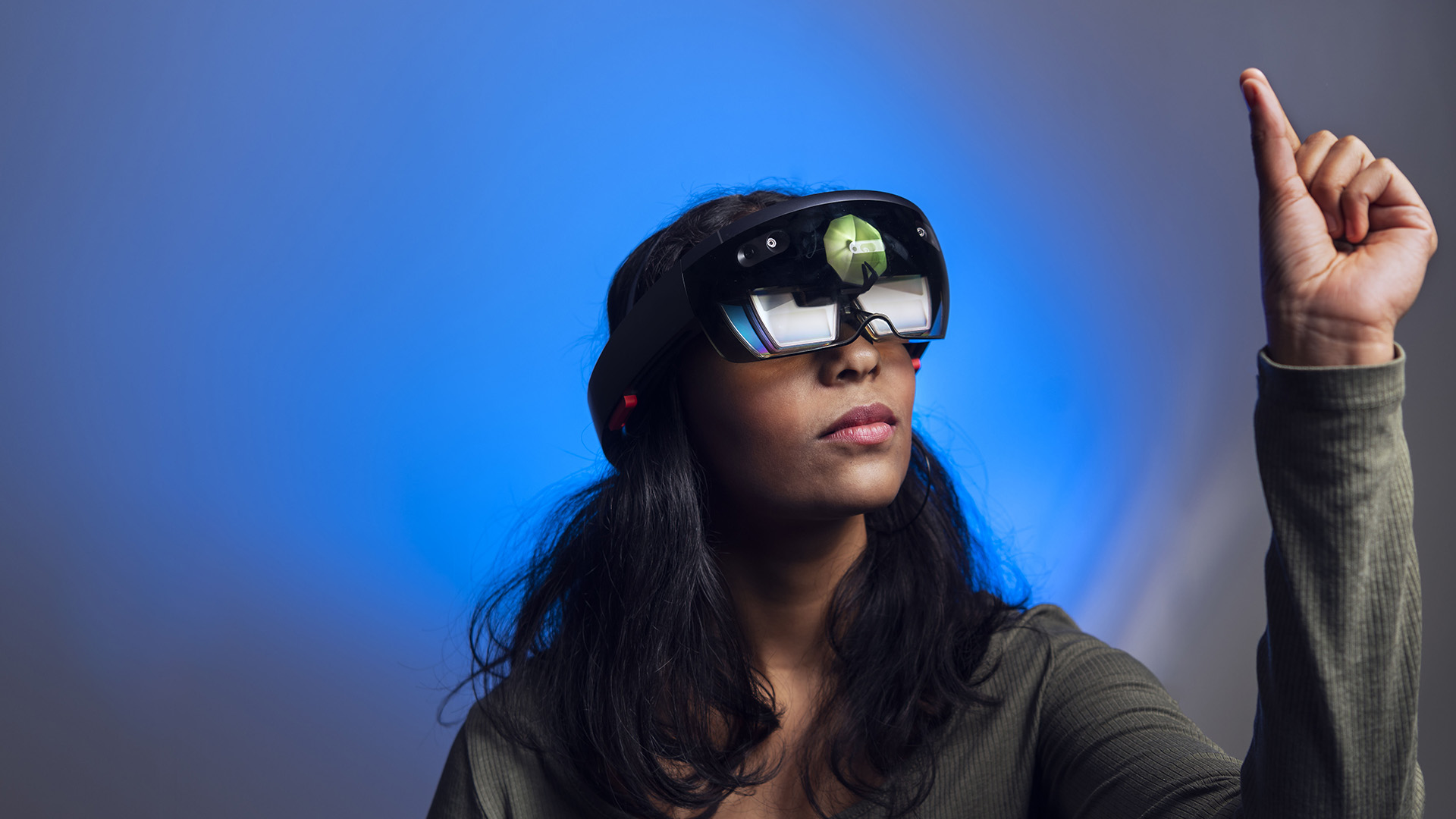
A Graduate Certificate in Immersive Media Technologies is a postgraduate qualification designed to equip students with the creative and technical foundations needed to design, develop, and deploy experiences across virtual reality (VR), augmented reality (AR), and mixed reality (MR) platforms — collectively known as Extended Reality (XR). Typically completed in six months full-time (or part-time equivalent), the course provides a wide-ranging overview of the immersive media industry, covering design principles, game-engine platforms, digital asset generation, user experience in 3D environments, and the business and ethical dimensions of the sector. Students learn to create compelling immersive experiences for diverse applications including entertainment, education, healthcare, training simulations, tourism, architecture, and defence. The course blends creative arts practice with technical skill development, making it genuinely cross-disciplinary in nature.
This qualification is suited to two primary cohorts: graduates from immersive media, creative arts, digital media, or communication disciplines who wish to formalise and advance their skills at postgraduate level, and professionals from unrelated fields — such as healthcare, engineering, education, or architecture — who want to pivot into the growing XR industry. Employers who recruit graduates of this course include game development studios, VR/AR production houses, media and entertainment companies, architectural and engineering firms, defence contractors, healthcare simulation providers, educational technology companies, museums, theme parks, and immersive experience venues. Many programs also serve as a gateway into a Graduate Diploma or Master of Immersive Media Technologies, allowing students to continue into more advanced research and practice.
The Extended Reality market is forecast to reach USD $473 billion by 2029, and advancements in VR, AR, and MR are driving widespread adoption across industry sectors. In Australia, demand for highly trained immersive media professionals is currently far outstripping supply, creating a significant skills gap that this qualification directly addresses. The immersive media sector in Australia is entering a transformative phase, with increasing use of immersive experiences in creative sectors like museums, sports venues, performing arts, and screen production — yet without a targeted effort to address the talent gap, Australia risks missing its opportunity in the global immersive revolution. Graduates of this course can position themselves strategically to capitalise on this growth across sectors as diverse as health, mining, education, and entertainment.
Beyond job creation, the Australian government is actively investing in the broader digital games and creative technology sector through policies such as the Digital Games Tax Offset and national cultural strategies that prioritise XR and interactive media. The convergence of technology, storytelling, and design in immersive media means that creative thinkers with strong technical skills are among the most sought-after professionals in Australia's evolving economy. For career changers or those looking to future-proof their skills, a Graduate Certificate in Immersive Media Technologies offers a fast, focused pathway into one of the most innovative and high-growth fields in the contemporary creative industries.
Most Australian providers offering this qualification require applicants to hold a recognised bachelor's degree from a higher education institution, typically with a minimum grade equivalent to a credit average (around 65 WAM or equivalent). Importantly, entry is not always limited to graduates from creative or technology disciplines — the cross-disciplinary nature of the field means that practitioners from healthcare, engineering, education, architecture, and other industries are actively encouraged to apply, provided they can demonstrate relevant professional experience or motivation to work in immersive media. Some providers may require a portfolio of relevant work (such as examples in design, visualisation, digital media, or immersive experiences) and a personal statement outlining career motivations and how the program aligns with the applicant's goals. In some cases, an interview may also form part of the selection process.
For international students or those from non-English-speaking backgrounds, English language proficiency requirements must be met, typically demonstrated via IELTS, TOEFL, or PTE Academic scores. Minimum IELTS scores are generally around 6.5 overall with no band below 6.0, though specific requirements vary by institution. Where a bachelor's degree is not held, some programs offer alternative pathways for applicants who can demonstrate substantial relevant professional experience or prior learning — for example, through a portfolio-based assessment or recognition of prior learning (RPL) process. Domestic students should check their eligibility for FEE-HELP to assist with tuition costs, as most Graduate Certificate programs in this field are full-fee paying rather than Commonwealth Supported.
This course may be offered in different study modes depending on the university, campus location, course structure and student type. Students should check the available delivery mode before applying, as not every study option is available at every institution.
On-campus study is the traditional mode of delivery where students attend classes, lectures, tutorials, workshops or seminars at the university campus. This option may suit students who prefer face-to-face learning, access to campus facilities, networking with classmates, practical workshops, group projects and direct engagement with academic staff.
Some universities may offer programs fully online or with online subject options. Online study can be attractive for students who need flexibility due to work, family, location or other commitments. Online study may suit domestic students, working professionals or students who want to study from outside Australia.
Hybrid or blended study usually combines online learning with some on-campus classes, workshops, intensive sessions or practical components. This mode may suit students who want flexibility but still want some face-to-face interaction. The exact structure varies between institutions.
Programs in Australia may have different intake structures depending on the university. The most common intake systems are semester, trimester and block mode.
Many Australian universities follow a two-semester academic calendar. The main intakes are commonly Semester 1 (around February or March) and Semester 2 (around July). Semester-based study usually allows students to complete a set number of subjects over approximately 12 to 14 weeks.
Some universities use a trimester system, which generally provides three study periods a year — around February/March, June/July and October/November. Trimester study may provide more flexibility and may help some students complete their course faster.
Some institutions may offer selected subjects or programs in block mode, where students focus on one subject at a time over a shorter, more intensive teaching period. Block mode may suit students who prefer concentrated learning or working professionals managing study around employment.
Some online or professionally focused programs may offer more frequent start dates or flexible entry points throughout the year. Students should not assume that every course has monthly or multiple intakes — availability depends on the institution, course structure and student type.
Graduates of a Graduate Certificate in Immersive Media Technologies are well-positioned to enter a rapidly expanding job market that spans entertainment, education, healthcare, defence, architecture, tourism, and the broader creative industries. In Australia, roles exist across game development studios, XR production companies, simulation training providers, advertising agencies, architecture and engineering firms, cultural institutions such as museums and galleries, theme parks, and government-backed creative technology bodies. The cross-disciplinary nature of the qualification means graduates can work either as creative practitioners, technical developers, or at the intersection of both — with many roles increasingly valuing professionals who can bridge the gap between artistic vision and technical execution.
Entry Level
Graduate / Assistant
Junior VR Developer, Graduate XR Designer, Junior 3D Animator, Assistant Immersive Media Producer, Junior Game Designer
Early Career
Developer / Designer
VR/AR Developer, Immersive Experience Designer, 3D Asset Creator, Simulation Developer, Interactive Media Producer, UX Designer (XR)
Mid-Level
Specialist / Senior Developer
Senior XR Developer, XR Human-Computer Interaction Designer, XR Narrative Specialist, Spatial Computing Specialist, XR Research Engineer, Senior Game Designer
Senior Level
Lead / Manager
XR Project Manager, Lead VR/AR Developer, Senior Creative Technologist, Immersive Media Studio Manager, XR Digital Asset Manager, Head of Interactive Experience
Leadership
Director / Head / Principal
Director of Immersive Media, Head of XR, Chief Creative Technologist, Principal Simulation Architect, Director of Digital Experience, Creative Director (Immersive)
Salaries in the Australian immersive media and XR sector vary considerably by role, experience, and industry sector, with strong growth potential as demand for skilled professionals continues to outpace supply.
Melbourne
Melbourne is home to the Australian Centre for the Moving Image (ACMI) and a thriving creative technology ecosystem, with a growing number of XR studios, immersive experience venues such as The Lume, and strong government support for digital creative industries — making it an ideal city for immersive media students to find industry connections, internships, and employment. The city's vibrant arts scene and concentration of games and interactive media companies provide ample opportunities for graduates to build their portfolios and careers.
Sydney
Sydney is Australia's largest creative industries hub, home to major VFX studios, digital animation companies, and a rapidly growing digital games sector supported by the NSW Government's Digital Games Rebate and a three-year screen and digital games strategy — giving immersive media graduates access to world-class employers and industry networks. With diverse capabilities spanning technology, innovation, VFX, animation, and digital immersive experiences, Sydney offers one of the richest environments in the country for XR career development.
Brisbane
Brisbane's creative and technology sectors have been energised by major events infrastructure, the Urban Arts Project, and Queensland's growing screen and games industry, providing immersive media graduates with opportunities in XR experience design, cultural tourism, and event-based immersive installations. The city's relatively lower cost of living compared to Sydney and Melbourne, combined with strong government investment in creative industries, makes it an attractive place to launch a career in immersive media.
Perth
Perth's unique position as a gateway to Asia-Pacific, combined with growing investment in mining, defence, and resources simulation technology, makes it a compelling city for immersive media graduates with interests in industrial XR applications, training simulations, and spatial computing. The city also hosts a growing games and interactive media scene through SAE and local independent studios, offering pathways into both commercial and creative immersive media work.
Adelaide
Adelaide is an emerging hub for immersive media education and industry, with purpose-built immersive media labs, a strong connection between university programs and the creative technology sector, and growing opportunities in defence simulation, health technology, and cultural experiences. The city's supportive innovation ecosystem, relatively affordable lifestyle, and close proximity to defence and health industry partners make it a practical and forward-looking choice for immersive media study and careers.
Canberra
Canberra offers distinctive opportunities for immersive media graduates through its concentration of national cultural institutions — including the National Museum of Australia, the National Gallery, and the Australian War Memorial — all of which are investing in interactive and immersive visitor experiences, alongside strong demand from defence, public sector simulation, and government innovation agencies. The city's stable professional environment and unique access to heritage and cultural sectors make it particularly well-suited for graduates interested in museum technology and public-sector XR applications.
Before choosing a course, students should compare:
International students who want to study in Australia should also consider additional requirements before applying.
Join successful graduates
Students Helped
Application Processed
Listed Universities
Listed Courses