Start building today!
Experience the Find the courses and unlock the true potential
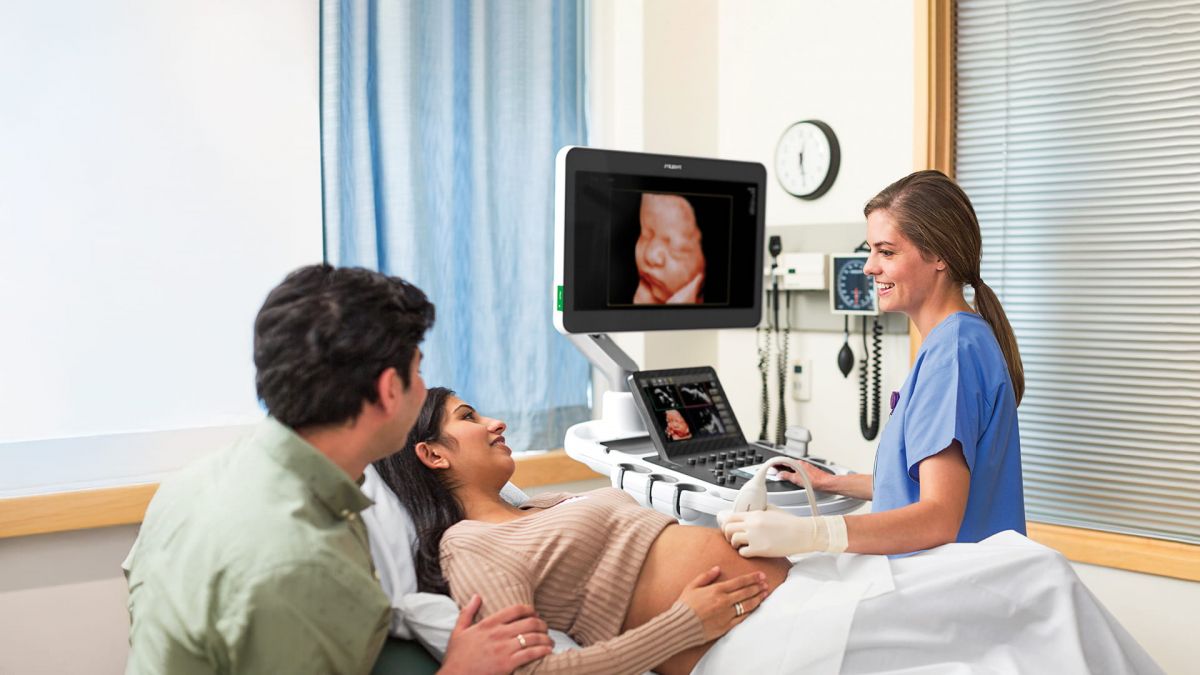
The Graduate Diploma of Medical Sonography is an advanced, postgraduate qualification at the Australian Qualifications Framework (AQF) Level 8, designed to train health professionals to become accredited medical sonographers. Sonographers are highly skilled medical imaging professionals who operate diagnostic ultrasound equipment to produce still, video, and 3D studies of anatomy — including internal organs, blood vessels, musculoskeletal structures, reproductive organs, and foetal development. The course covers applied anatomy and physiology, pathophysiology, the physics and instrumentation of ultrasound systems, image recognition and optimisation, patient assessment, and evidence-based clinical practice. Most programs are delivered part-time over two years, with a combination of online coursework and intensive on-campus blocks, ensuring accessibility for working health professionals across Australia.
This qualification is specifically designed for allied health professionals who already hold a bachelor degree in a relevant health science discipline — such as radiography, nursing, medical imaging, health science, physiotherapy, or paramedicine — and wish to specialise in diagnostic ultrasound. A defining feature of this course is its substantial supervised clinical training component: students are typically required to complete approximately 2,200 hours of supervised ultrasound scanning practice, working at minimum three days per week in an accredited ultrasound department throughout their enrolment. Upon successful completion, graduates are eligible to apply for registration as an Accredited Medical Sonographer (AMS) with the Australian Sonographer Accreditation Registry (ASAR), the recognised national accreditation body for the profession.
Graduates find employment across a broad spectrum of healthcare settings in Australia. Key employers include private diagnostic imaging centres and radiology practices (which account for the majority of the workforce), public and private hospitals, specialist obstetric and gynaecology clinics, cardiac and vascular laboratories, musculoskeletal clinics, paediatric centres, and regional health services. The profession is practised nationally, with strong demand in both metropolitan and regional areas, and graduates may also pursue roles in clinical education, research, ultrasound equipment application support, and health management.
Australia is facing a significant and sustained shortage of accredited medical sonographers, with ultrasound now the most frequently utilised diagnostic imaging service in the country. Demand for ultrasound services is projected to continue rising due to Australia's ageing population, the expansion of ultrasound into new clinical areas, and its cost-effectiveness relative to other imaging modalities. Sonography has been listed on the national Skills Priority List as a profession in national shortage, making it one of the most in-demand allied health careers in Australia. Workforce modelling for NSW Health alone projects the need to grow the sonography workforce by 14 to 21 new professionals per year just to meet community demand through to 2040. For health professionals seeking career advancement, specialisation, or a transition into a new diagnostic role, the Graduate Diploma of Medical Sonography offers a clear, accredited pathway into a profession with outstanding job security and competitive remuneration.
Beyond job security, a career in medical sonography offers genuine clinical variety, autonomy, and the satisfaction of directly contributing to patient diagnosis and care. Sonographers report high levels of professional engagement, with the ability to work across specialisations including obstetrics, vascular imaging, cardiac sonography, musculoskeletal imaging, and paediatrics. The profession also offers significant workplace flexibility — with options for full-time, part-time, casual, and locum arrangements in both public and private settings. Graduates who register with ASAR gain a portable, nationally recognised credential that underpins lifelong career development in one of healthcare's most technically exciting fields.
Entry to the Graduate Diploma of Medical Sonography is highly competitive and typically restricted to applicants who already hold a bachelor degree or higher in an approved health science discipline. Accepted fields of study commonly include radiography and medical imaging, nursing, medicine (MBBS), health science, physiotherapy, pharmacy, paramedicine, dentistry, optometry, human movement studies, and related allied health fields. Some providers also consider applicants with at least five years of relevant professional clinical experience in lieu of a formal degree, assessed on a case-by-case basis. Prerequisite subjects at bachelor level — such as human anatomy, physiology, pathophysiology, and physics — are typically required to have been completed within the past five to ten years and must be verified at the time of application. Current registration with the Medical Radiation Practice Board of Australia (MRPBA) or equivalent professional registration may also satisfy entry criteria at some institutions.
A critical and unique entry requirement for this qualification is the need for applicants to secure and maintain a supervised clinical training position in an accredited ultrasound department prior to and throughout their enrolment. Students are individually responsible for arranging their own training placement with an ASAR-registered supervising sonographer, at a minimum commitment of three days per week over two years. This requirement means most students are employed as trainee sonographers concurrently with their studies. Programs are therefore predominantly offered on a part-time, externally delivered (online) basis. Applicants must submit a letter of support from their supervising facility and complete minimum hours of supervised clinical sonography experience — typically 2,200 hours in total — to be eligible for graduation and ASAR registration.
English language proficiency requirements apply, particularly for international applicants. Most institutions require results from standardised tests such as IELTS (typically an overall band score of 6.5–7.0 with minimum component scores) or equivalent, completed within two years of the application date. Applicants will also typically need to meet institutional requirements for police clearances, immunisation records, Working With Children Checks (where applicable), and fitness-to-practise declarations before commencing clinical placements.
This course may be offered in different study modes depending on the university, campus location, course structure and student type. Students should check the available delivery mode before applying, as not every study option is available at every institution.
On-campus study is the traditional mode of delivery where students attend classes, lectures, tutorials, workshops or seminars at the university campus. This option may suit students who prefer face-to-face learning, access to campus facilities, networking with classmates, practical workshops, group projects and direct engagement with academic staff.
Some universities may offer programs fully online or with online subject options. Online study can be attractive for students who need flexibility due to work, family, location or other commitments. Online study may suit domestic students, working professionals or students who want to study from outside Australia.
Hybrid or blended study usually combines online learning with some on-campus classes, workshops, intensive sessions or practical components. This mode may suit students who want flexibility but still want some face-to-face interaction. The exact structure varies between institutions.
Programs in Australia may have different intake structures depending on the university. The most common intake systems are semester, trimester and block mode.
Many Australian universities follow a two-semester academic calendar. The main intakes are commonly Semester 1 (around February or March) and Semester 2 (around July). Semester-based study usually allows students to complete a set number of subjects over approximately 12 to 14 weeks.
Some universities use a trimester system, which generally provides three study periods a year — around February/March, June/July and October/November. Trimester study may provide more flexibility and may help some students complete their course faster.
Some institutions may offer selected subjects or programs in block mode, where students focus on one subject at a time over a shorter, more intensive teaching period. Block mode may suit students who prefer concentrated learning or working professionals managing study around employment.
Some online or professionally focused programs may offer more frequent start dates or flexible entry points throughout the year. Students should not assume that every course has monthly or multiple intakes — availability depends on the institution, course structure and student type.
Graduates of the Graduate Diploma of Medical Sonography enter one of Australia's most in-demand allied health professions, with roles available across a wide range of clinical settings including private diagnostic imaging centres, public and private hospitals, specialist clinics, and regional health services. The majority of Australian sonographers work in private practice, with a significant proportion also employed in public hospitals and hybrid arrangements. Specialisation options are broad — spanning general sonography, obstetrics and gynaecology, cardiac and vascular imaging, musculoskeletal and paediatric ultrasound — and experienced practitioners can progress into supervisory, educational, research, and management roles. With sonography listed as a nationally shortage profession, employment prospects for accredited graduates are excellent both in metropolitan centres and rural and remote Australia.
Entry Level
Graduate / Trainee Sonographer
Graduate Sonographer, Trainee Sonographer, Junior Sonographer, Accredited Medical Sonographer (newly registered)
Early Career
Clinical Sonographer
General Sonographer, Obstetric Sonographer, Vascular Sonographer, Cardiac Sonographer, Locum Sonographer
Mid-Level
Specialist / Senior Sonographer
Senior Sonographer, Musculoskeletal Specialist, Paediatric Sonographer, Echocardiographer, Point-of-Care Ultrasound Specialist, Ultrasound Application Specialist
Senior Level
Supervisor / Lead / Educator
Supervisor Sonographer, Lead Sonographer, Clinical Education Coordinator, Sonography Academic / Lecturer, Research Sonographer
Leadership
Manager / Director / Principal
Medical Imaging Department Manager, Director of Sonography Services, Principal Sonographer, Private Practice Owner-Operator, Head of Clinical Training (Sonography)
Sonographer salaries in Australia are competitive and have grown significantly in recent years, reflecting the national workforce shortage, with pay varying by experience, specialisation, sector, and geographic location.
Melbourne
Melbourne is home to a large concentration of private diagnostic imaging networks, major public teaching hospitals, and specialist cardiac and vascular centres, offering graduate sonographers a diverse and high-volume clinical environment. The city's strong healthcare infrastructure and large population base make it one of Australia's most active markets for sonography employment, with excellent opportunities for specialisation and career progression.
Sydney
Sydney's extensive network of private radiology practices, world-class teaching hospitals, and specialist women's health and cardiac clinics create exceptional demand for accredited sonographers across all subspecialties. With NSW Health projecting sustained workforce growth through to 2040, Sydney offers graduate sonographers some of the strongest employment prospects and most competitive remuneration packages in the country.
Brisbane
Brisbane and the broader South East Queensland region offer sonographers strong employment opportunities across a rapidly growing healthcare sector, fuelled by population growth and the expansion of private imaging services. Queensland providers have actively supported flexible and online program delivery to train sonographers for both metropolitan and regional settings, making Brisbane a well-resourced base for clinical training and post-graduation employment.
Perth
Perth has a well-established medical imaging sector with strong demand for sonographers in both the metropolitan area and across regional and remote Western Australia, where workforce shortages are particularly acute. The city's geographic isolation has driven investment in telehealth and remote sonography services, offering graduates unique career pathways and premium remuneration packages, particularly for those willing to work regionally.
Adelaide
Adelaide offers sonography students and graduates access to a collaborative, community-focused healthcare environment with excellent public hospital systems and growing private imaging networks. The city is home to providers of the Graduate Diploma in Medical Sonography, ensuring strong local academic and clinical training infrastructure, while South Australia's health system offers steady employment and pathways into subspecialty and supervisory roles.
Canberra
Canberra's healthcare sector, anchored by major public hospital facilities and a growing suite of private diagnostic imaging services, provides a solid employment base for newly accredited sonographers in a manageable, highly liveable city. The ACT's relatively compact and well-funded health system can support specialisation and leadership opportunities earlier in a graduate's career, and proximity to major NSW regional centres expands the scope for locum and dual-practice work.
Before choosing a course, students should compare:
International students who want to study in Australia should also consider additional requirements before applying.
Join successful graduates
Students Helped
Application Processed
Listed Universities
Listed Courses