Start building today!
Experience the Find the courses and unlock the true potential
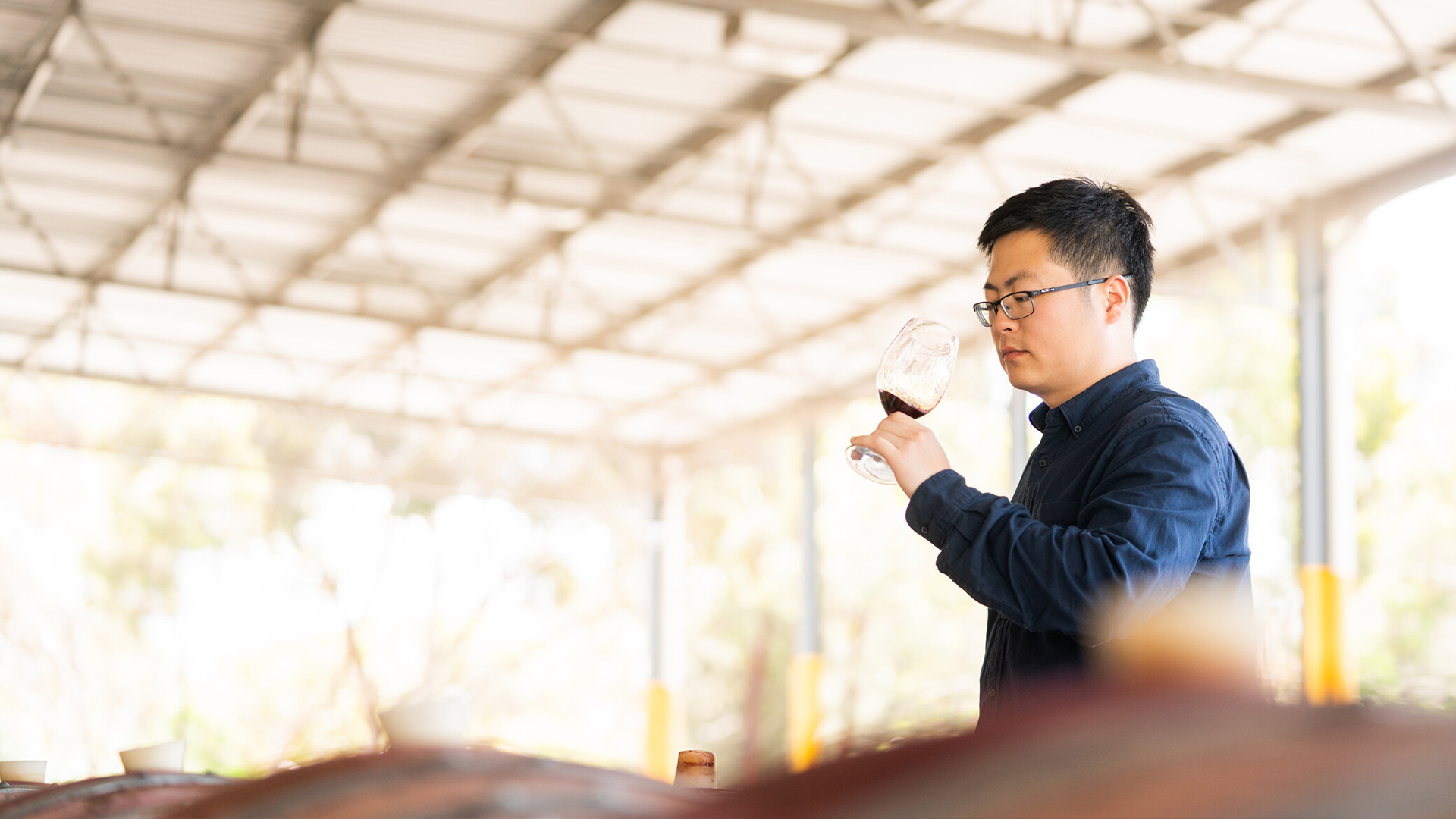
The Master of Viticulture and Oenology is an AQF Level 9 postgraduate qualification typically completed over two years of full-time study (or up to four years part-time). The program covers both the science of grape growing (viticulture) and the science and art of winemaking (oenology), giving graduates a comprehensive, integrative understanding of the entire grape-to-wine production process. Viticulture encompasses site selection, vineyard establishment, management of pests and diseases, irrigation, and optimising grape quality and yield, while oenology trains students in the technical processing of grapes into white, red, sparkling, still and fortified wines. Throughout the program, there is a strong emphasis on key technical methods, sensory (wine tasting) skills, scientific research, data analysis, and critical thinking applied to real industry challenges. The course also covers sustainability, precision viticulture technologies, and adaptation to climate change. Australia is home to more than 65 designated wine regions and over 2,500 wineries, making it a global powerhouse in the wine industry. Employers of graduates span commercial wineries and vineyards of all scales, wine export and trading companies, government agricultural agencies, wine tourism enterprises, research institutions, viticultural consulting firms, and the food and beverage sector. The degree is recognised both within Australia and internationally, opening doors to careers across the world's premier wine regions.
Australia's wine industry is a dynamic, innovation-driven sector that demands qualified professionals with advanced technical expertise. Wine tourism expenditure in Australia is projected to increase by an average of 6% per year, reaching significant growth milestones by 2028, while the country's global reputation for quality wine continues to drive strong export demand. The industry is currently adapting to multiple challenges — environmental, technological, and consumer — including climate change, the rise of organic and biodynamic wine production, precision viticulture technologies, and rapidly shifting export markets. This creates a genuine skills gap for graduates who can navigate these complexities with both scientific rigour and practical know-how. A Master of Viticulture and Oenology is one of the few qualifications in Australia that comprehensively trains graduates to lead at the intersection of agriculture, science, business, and hospitality — positioning them to become the next generation of innovators and cultural leaders in one of the nation's most iconic industries.
Most Australian providers require applicants to hold a completed bachelor's degree (AQF Level 7) or equivalent from a recognised higher education institution in a relevant science-related field. Accepted disciplines typically include viticulture, wine science, agriculture, biology, microbiology, biochemistry, chemistry, plant science, general science, and engineering. Where an applicant does not have undergraduate study in chemistry, microbiology, botany or soil science, they may be required to complete bridging or prerequisite studies prior to admission, as determined by the course director. Some providers also require applicants without prior work experience in the grape and wine industry to complete a foundational subject in grape and wine science before commencing the main program. Entry is competitive and meeting minimum requirements does not guarantee a place, as applications are assessed on an individual basis.
For international students, English language proficiency is a standard requirement. Typical minimum scores include an IELTS overall band score of 6.5 (with no band below 6.0) or a TOEFL iBT score of 79. Where prior study or employment was conducted entirely in English, certified documentation from the educational institution or employer may be accepted as evidence of English proficiency. Some programs may consider prior industry experience as a supplementary factor in competitive selection. Domestic students enrolling in a full-fee postgraduate program may be eligible for FEE-HELP assistance to cover course costs.
This course may be offered in different study modes depending on the university, campus location, course structure and student type. Students should check the available delivery mode before applying, as not every study option is available at every institution.
On-campus study is the traditional mode of delivery where students attend classes, lectures, tutorials, workshops or seminars at the university campus. This option may suit students who prefer face-to-face learning, access to campus facilities, networking with classmates, practical workshops, group projects and direct engagement with academic staff.
Some universities may offer programs fully online or with online subject options. Online study can be attractive for students who need flexibility due to work, family, location or other commitments. Online study may suit domestic students, working professionals or students who want to study from outside Australia.
Hybrid or blended study usually combines online learning with some on-campus classes, workshops, intensive sessions or practical components. This mode may suit students who want flexibility but still want some face-to-face interaction. The exact structure varies between institutions.
Programs in Australia may have different intake structures depending on the university. The most common intake systems are semester, trimester and block mode.
Many Australian universities follow a two-semester academic calendar. The main intakes are commonly Semester 1 (around February or March) and Semester 2 (around July). Semester-based study usually allows students to complete a set number of subjects over approximately 12 to 14 weeks.
Some universities use a trimester system, which generally provides three study periods a year — around February/March, June/July and October/November. Trimester study may provide more flexibility and may help some students complete their course faster.
Some institutions may offer selected subjects or programs in block mode, where students focus on one subject at a time over a shorter, more intensive teaching period. Block mode may suit students who prefer concentrated learning or working professionals managing study around employment.
Some online or professionally focused programs may offer more frequent start dates or flexible entry points throughout the year. Students should not assume that every course has monthly or multiple intakes — availability depends on the institution, course structure and student type.
Graduates of the Master of Viticulture and Oenology enter a diverse and growing career landscape spanning vineyard operations, commercial winemaking, consulting, research, export, government policy, wine tourism, and the broader food and beverage sector. The qualification prepares graduates to operate at a technical and managerial level in both Australian wine regions and internationally, with roles available across large corporate wine companies, boutique estates, government agricultural agencies, and industry research organisations. Employers include major wine producers, wine export and import firms, viticultural consulting companies, state and federal agricultural departments, Wine Australia, the Australian Society of Viticulture and Oenology (ASVO), hospitality and tourism enterprises, and universities and research institutes.
Entry Level
Graduate / Assistant
Cellar Hand, Vineyard Worker, Laboratory Analyst, Assistant Winemaker, Viticulture Clerk, Wine Tourism Officer
Early Career
Officer / Coordinator
Viticulturist, Oenologist, Vineyard Supervisor, Wine Quality Controller, Grower Liaison Officer, Cellar Operator
Mid-Level
Adviser / Specialist
Winemaker, Viticultural Consultant, Wine Scientist, Beverage Technologist, Agricultural Research Scientist, Wine Export Manager
Senior Level
Manager / Senior Adviser
Senior Winemaker, Vineyard Manager, Winery Manager, Senior Viticultural Consultant, Head of Viticulture, Senior Wine Scientist
Leadership
Director / Head / Principal
Chief Winemaker, Director of Winemaking, General Manager (Winery Operations), Head of Research and Development, Principal Consultant, Wine Industry Policy Director
Salaries in the Australian viticulture and oenology sector vary considerably by role, level of experience, and geographic location within key wine regions.
Melbourne
Melbourne is ideally situated for viticulture and oenology students, with world-class cool-climate wine regions including the Yarra Valley, Mornington Peninsula, and Geelong — collectively known as Melbourne's 'dress circle' of viticulture — all within an hour or two of the CBD. The city is home to major wine industry employers, distributors, exporters, and hospitality businesses, offering outstanding networking and employment prospects for graduates.
Sydney
Sydney provides direct access to Australia's oldest wine region, the Hunter Valley, located just a few hours' drive north of the city, making it a practical base for students undertaking industry placements or vintage work. Sydney's large wine trade, hospitality sector, and proximity to emerging cool-climate regions such as Orange and Mudgee make it a vibrant hub for wine industry careers in export, sales, and management.
Brisbane
Brisbane serves as a gateway to Queensland's Granite Belt wine region and the broader subtropical viticulture sector, where students can explore unique warm-climate wine production challenges not found in southern states. The city's growing food and beverage industry, wine import businesses, and proximity to emerging wine tourism experiences offer niche career development opportunities in a less-saturated market.
Perth
Perth is the closest capital city to the internationally acclaimed Margaret River wine region, which now boasts over 155 wineries renowned for premium Chardonnay and Cabernet Sauvignon, offering outstanding placement and employment opportunities for students. Western Australia's wine industry is known for producing some of the country's most prestigious and export-oriented wines, making Perth an excellent base for students interested in fine wine production and sustainable viticulture.
Adelaide
Adelaide is widely regarded as the wine capital of Australia, with over 200 cellar doors within an hour of the CBD and home to iconic regions including the Barossa Valley, McLaren Vale, Clare Valley, Coonawarra, and Adelaide Hills. The city hosts the majority of Australia's wine research activity, a concentration of major wine companies and industry bodies including Wine Australia and the ASVO, and the country's most established viticulture and oenology academic programs, making it the premier destination for serious wine science students.
Canberra
Canberra is at the centre of the emerging cool-climate Canberra District wine region, known for its distinctive Shiraz, Riesling, and Pinot Noir grown at altitude, providing students with a unique research environment for studying cool-climate viticulture and terroir. The city's proximity to federal government departments, agricultural research agencies such as the CSIRO, and policy bodies also makes it well-suited for graduates interested in wine industry research, regulation, or government advisory roles.
Before choosing a course, students should compare:
International students who want to study in Australia should also consider additional requirements before applying.
Join successful graduates
Students Helped
Application Processed
Listed Universities
Listed Courses