Start building today!
Experience the Find the courses and unlock the true potential
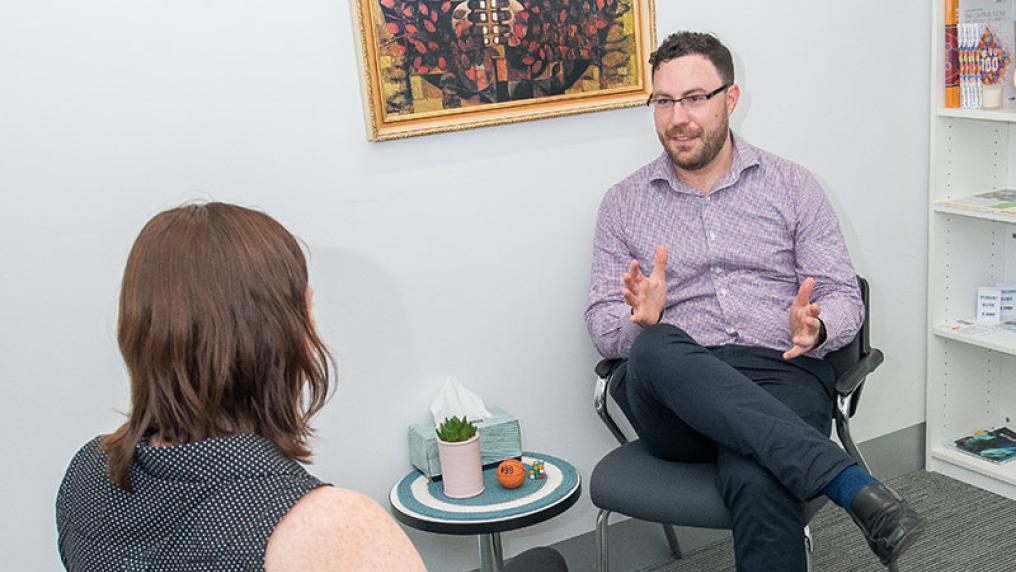
Counselling is a professional practice focused on helping individuals, couples, families, and groups navigate emotional, psychological, and social challenges. In Australia, counselling courses are offered at multiple qualification levels — from the nationally recognised CHC51015 Diploma of Counselling through to Bachelor, Graduate Diploma, and Master of Counselling degrees — allowing students to enter the field or advance their practice at any stage of their career. The curriculum combines psychological theory, therapeutic frameworks, and applied communication skills, covering areas such as mental health support, trauma-informed practice, grief, addiction, family dynamics, crisis intervention, and ethical professional standards. Courses are accredited by peak bodies including the Australian Counselling Association (ACA) and the Psychotherapy and Counselling Federation of Australia (PACFA), which students can join upon graduation to access the Australian Register of Counsellors and Psychotherapists (ARCAP).
Counselling graduates find employment across a broad and growing range of settings. Employers include community health centres, non-government organisations (NGOs), schools and universities, hospitals and mental health clinics, government agencies, aged care facilities, drug and alcohol rehabilitation services, family support agencies, Employee Assistance Program (EAP) providers, and telehealth platforms. Many graduates also establish successful private practices. The field attracts both new graduates and experienced professionals from education, nursing, social work, HR, and allied health who wish to formalise and extend their people-support skills. Counselling differs from psychology and social work in its emphasis on therapeutic rapport, talk-based interventions, and client self-determination, and it represents a distinct and increasingly respected profession within Australia's mental health workforce.
Australia is experiencing sustained and growing demand for qualified counsellors. According to the Australian Counselling Association (ACA), the counselling workforce includes approximately 34,600 professionals, with projected growth of 15.1% between 2023 and 2028 — well above the national average growth rate across all occupations. National data consistently shows that nearly one in two Australians will experience a mental health condition at some point in their lives, with anxiety, chronic stress, and depression remaining the most common concerns — and demand for counselling support continues to exceed available services. Government investment in mental health services, growing awareness of emotional wellbeing, the ageing population, and rising rates of workplace stress and social isolation are all driving demand for skilled practitioners across metropolitan, regional, and remote Australia.
Studying counselling equips you with a uniquely versatile and future-proof skill set. Core counselling competencies — empathy, active listening, therapeutic rapport, and emotional intelligence — are qualities that technology and artificial intelligence cannot replicate, giving graduates strong long-term career security. The profession also offers extraordinary flexibility: counsellors can work across sectors (community, health, education, corporate, government), specialise in high-demand areas such as trauma, family violence, neurodivergence, or addiction, and choose between full-time roles, part-time positions, or independent private practice. Whether you are a school leaver, a career changer, or a professional seeking to deepen your impact on people's lives, counselling offers meaningful, stable, and rewarding work.
Entry requirements for counselling courses in Australia vary considerably depending on the level of qualification. For the Diploma of Counselling (CHC51015), there are generally no formal academic prerequisites; however, applicants must demonstrate the ability to read, write, and communicate effectively in English, and some providers require evidence of previous work or life experience relevant to community services. Many TAFE and private providers ask prospective students to complete a short literacy and numeracy assessment or attend an interview. Recognition of Prior Learning (RPL) and Credit Transfer are widely available for those with relevant industry backgrounds, allowing experienced workers to fast-track their qualification.
For Bachelor of Counselling degrees, applicants typically need an Australian Senior Secondary Certificate (Year 12) or equivalent, with some institutions setting a minimum ATAR of around 65 for guaranteed entry. Mature-age applicants who completed Year 12 more than two years ago may be assessed on the basis of work and life experience, with many programs specifically welcoming career changers from nursing, education, social work, and allied health. Applicants may also be required to submit a written personal statement outlining their motivations for studying counselling. Completion of a Diploma-level VET qualification also provides a recognised entry pathway into most bachelor programs, often with credit transfer into the second year.
For postgraduate study — Graduate Diplomas and Master of Counselling programs — applicants must hold a completed undergraduate degree in any discipline, though some programs prefer or require a background in psychology, social work, education, or health. Relevant paid or voluntary work experience is highly regarded, and some institutions require applicants to demonstrate familiarity with mental health or human services. International students must additionally meet English language requirements, typically an IELTS overall score of 6.5 or above (with no component below 6.0), or an equivalent result in accepted tests such as PTE or TOEFL. For professional registration with the ACA or PACFA upon graduation, the course must be accredited and meet specific contact hours and placement benchmarks set by those bodies.
This course may be offered in different study modes depending on the university, campus location, course structure and student type. Students should check the available delivery mode before applying, as not every study option is available at every institution.
On-campus study is the traditional mode of delivery where students attend classes, lectures, tutorials, workshops or seminars at the university campus. This option may suit students who prefer face-to-face learning, access to campus facilities, networking with classmates, practical workshops, group projects and direct engagement with academic staff.
Some universities may offer programs fully online or with online subject options. Online study can be attractive for students who need flexibility due to work, family, location or other commitments. Online study may suit domestic students, working professionals or students who want to study from outside Australia.
Hybrid or blended study usually combines online learning with some on-campus classes, workshops, intensive sessions or practical components. This mode may suit students who want flexibility but still want some face-to-face interaction. The exact structure varies between institutions.
Programs in Australia may have different intake structures depending on the university. The most common intake systems are semester, trimester and block mode.
Many Australian universities follow a two-semester academic calendar. The main intakes are commonly Semester 1 (around February or March) and Semester 2 (around July). Semester-based study usually allows students to complete a set number of subjects over approximately 12 to 14 weeks.
Some universities use a trimester system, which generally provides three study periods a year — around February/March, June/July and October/November. Trimester study may provide more flexibility and may help some students complete their course faster.
Some institutions may offer selected subjects or programs in block mode, where students focus on one subject at a time over a shorter, more intensive teaching period. Block mode may suit students who prefer concentrated learning or working professionals managing study around employment.
Some online or professionally focused programs may offer more frequent start dates or flexible entry points throughout the year. Students should not assume that every course has monthly or multiple intakes — availability depends on the institution, course structure and student type.
Graduates of counselling programs in Australia enter a broad and diverse career landscape spanning community services, healthcare, education, government, corporate, and private practice sectors. Counsellors are employed in community health centres, mental health clinics, schools and universities, hospitals, aged care facilities, alcohol and drug rehabilitation services, domestic violence support services, family mediation organisations, headspace centres, Employee Assistance Programs, telehealth platforms, and disability services. Those with additional specialisations in trauma, addiction, family violence, neurodivergence, or youth mental health are particularly sought after. Career pathways range from direct client work in established agencies to senior clinical leadership, policy roles, private practice, and academic positions, with the breadth of opportunity continuing to expand as mental health awareness grows across Australian society.
Entry Level
Graduate Counsellor / Support Worker
Graduate Counsellor, Mental Health Support Worker, Community Support Officer, Crisis Line Counsellor, AOD Support Worker
Early Career
Counsellor / Case Coordinator
Youth Counsellor, Family Counsellor, Case Manager, School Counsellor, EAP Counsellor, Rehabilitation Counsellor
Mid-Level
Senior Counsellor / Specialist
Senior Counsellor, Trauma Specialist, AOD Specialist Counsellor, Mental Health Clinician, Private Practice Counsellor
Senior Level
Team Leader / Clinical Lead
Team Leader (Counselling Services), Clinical Lead, Program Coordinator, Senior Mental Health Practitioner, Clinical Supervisor
Leadership
Manager / Director / Principal Counsellor
Manager of Counselling Services, Director of Community Mental Health, Principal Counsellor, Head of Student Wellbeing, Practice Principal
Counsellor salaries in Australia vary based on experience, specialisation, employer sector, and location, but are generally competitive and above the national median wage.
Melbourne
Melbourne is home to one of Australia's largest concentrations of mental health organisations, community health centres, NGOs, and headspace services, offering counselling students an exceptionally rich placement and employment ecosystem. The city's diverse multicultural population also makes it an ideal place to develop cross-cultural counselling competencies, and Melbourne's thriving private practice sector provides strong pathways to self-employment after graduation.
Sydney
Sydney is Australia's most populous city and hosts a vast network of hospitals, community mental health services, EAP providers, government agencies, and specialist counselling services — making it one of the busiest counselling job markets in the country. The city's size and diversity, combined with growing demand for trauma, family violence, and youth counselling services in both metro and outer suburban areas, creates strong employment prospects for graduates at every career stage.
Brisbane
Brisbane has experienced rapid population growth and a corresponding surge in demand for mental health and counselling services, with Queensland consistently ranking as one of the strongest counselling employment markets in Australia. The city's expanding network of schools, community health services, domestic violence agencies, and private practices offers graduates excellent placement opportunities and strong early-career employment prospects, including in the fast-growing Southeast Queensland corridor.
Perth
Perth's relative geographic isolation has driven strong local demand for counselling professionals, with significant job opportunities in community services, government mental health programs, AOD services, and FIFO (fly-in, fly-out) workforce wellbeing programs. Western Australia's growing population and investment in mental health infrastructure make Perth an increasingly attractive city for counselling students seeking stable career pathways with a range of sector options.
Adelaide
Adelaide offers counselling students access to a close-knit professional community with strong connections between training providers, community health organisations, and government mental health services. The city is known for its relatively lower cost of living compared to Sydney and Melbourne, and South Australia's investment in mental health reform and aged care services is creating growing demand for qualified counsellors — particularly in aged care, school, and community settings.
Canberra
As the national capital, Canberra is home to a concentration of government agencies, public sector organisations, and policy bodies with a strong focus on mental health, wellbeing, and community services — offering counsellors unique career pathways in both direct practice and policy advisory roles. The ACT's high median income and public sector employment base supports robust demand for EAP, workplace, and community counselling services, and Canberra's small but well-connected professional network makes it easy for graduates to build meaningful industry relationships early in their careers.
Before choosing a course, students should compare:
International students who want to study in Australia should also consider additional requirements before applying.
Join successful graduates
Students Helped
Application Processed
Listed Universities
Listed Courses