Start building today!
Experience the Find the courses and unlock the true potential
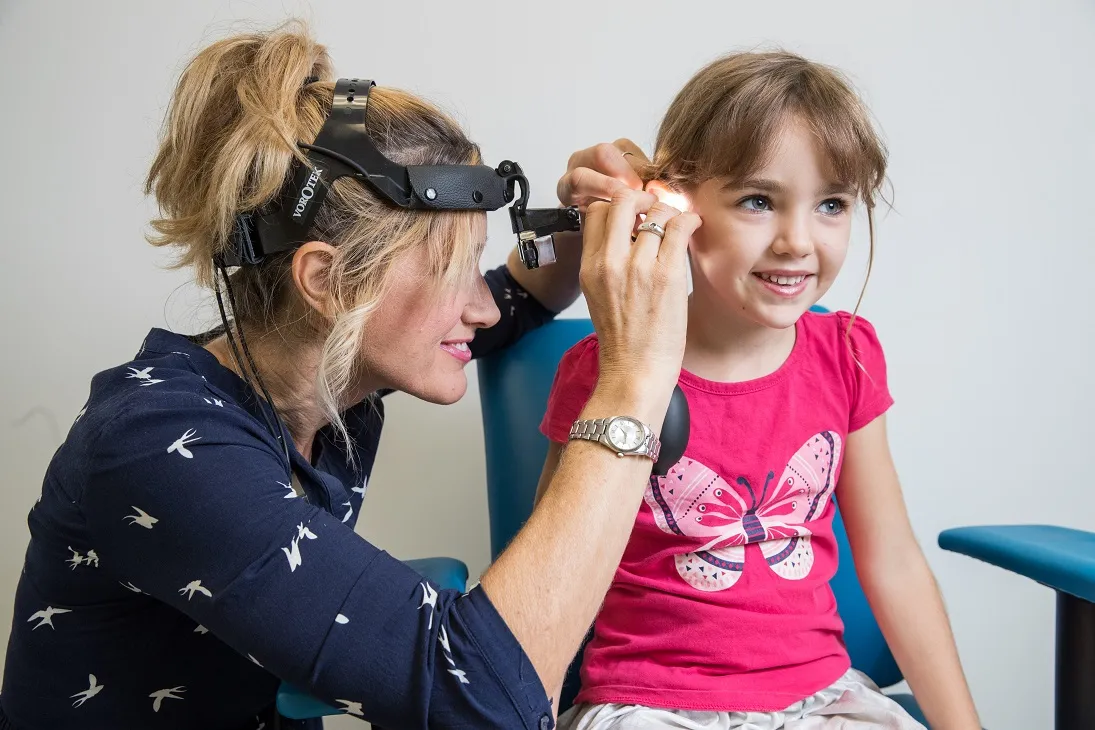
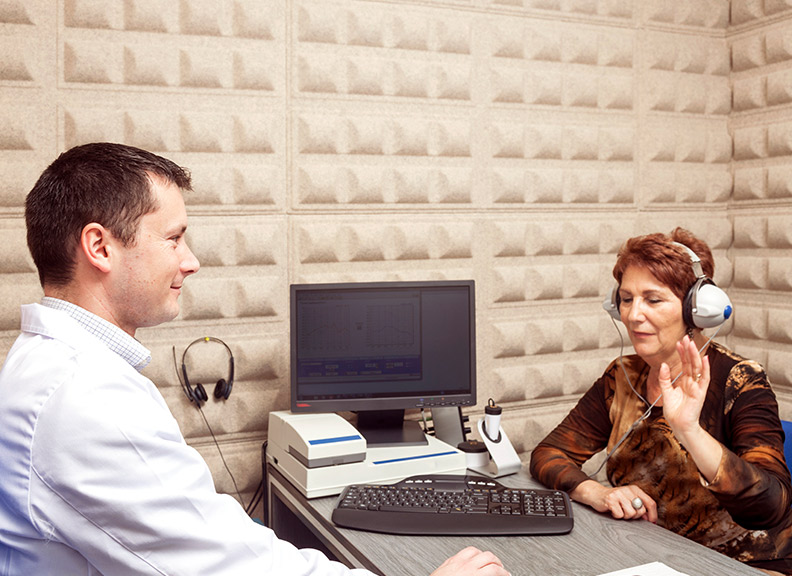
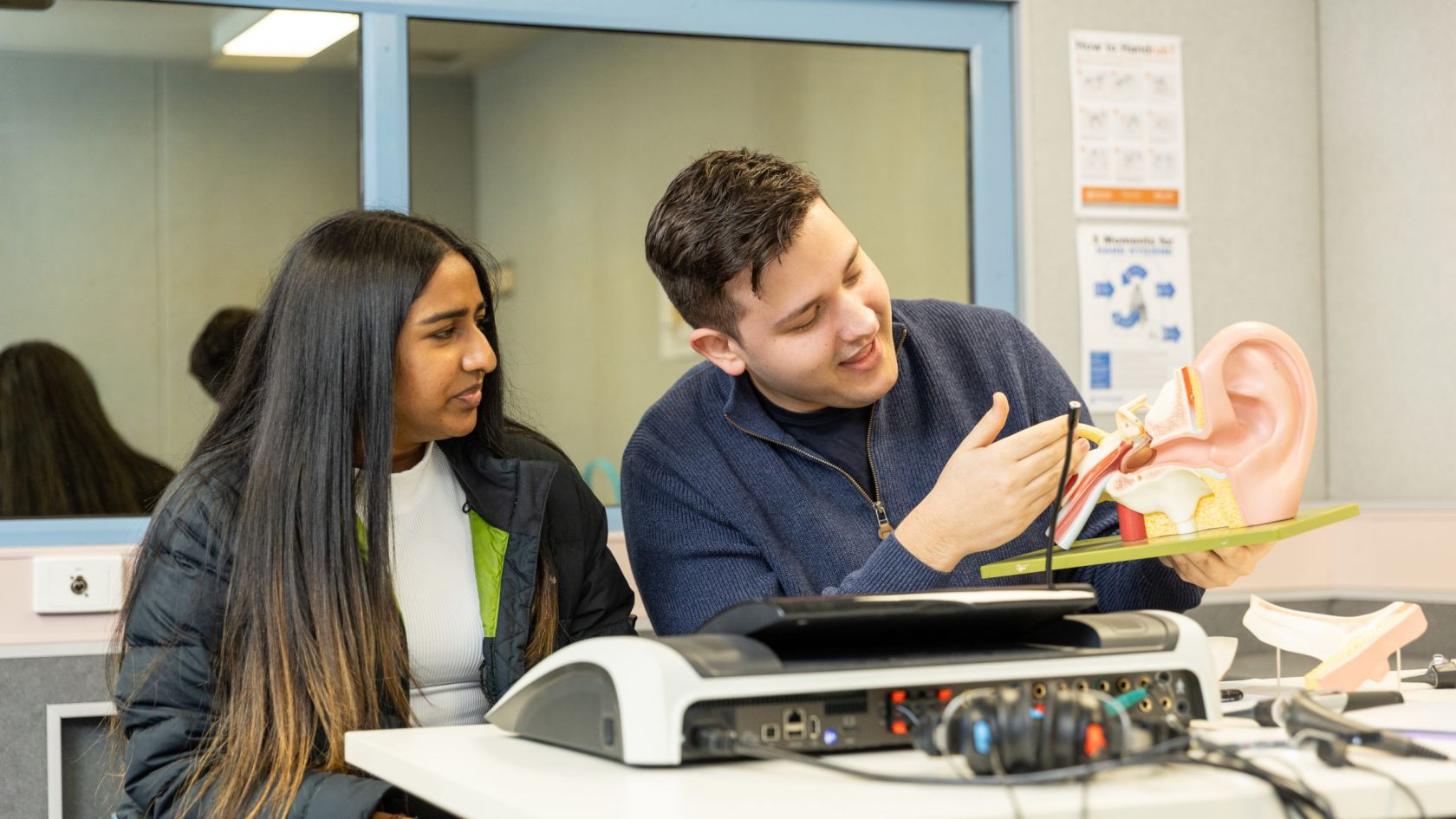
The Master of Clinical Audiology is a two-year, full-time postgraduate degree that trains students to become qualified audiologists — allied health professionals specialising in the assessment, diagnosis, and rehabilitation of hearing, balance, and communication disorders across the lifespan. The course is accredited by Audiology Australia, and upon graduation, students are eligible to apply for full membership of Audiology Australia and commence a clinical internship, positioning them directly for professional practice. The program is intensive by design, blending rigorous theoretical training with supervised clinical placements, equipping graduates with both the scientific knowledge and hands-on skills demanded by the profession. Core content spans diagnostic audiology, paediatric audiology, hearing rehabilitation, vestibular (balance) assessment, and the fitting of advanced hearing technologies such as cochlear implants and hearing aids. Students also develop competency in research methods, enabling them to engage with evidence-based practice and contribute to clinical innovation. Audiologists work across a broad range of settings including public and private hospitals, community health centres, private hearing clinics, schools, aged care facilities, newborn hearing screening programs, and Indigenous health outreach services. Key employers include Hearing Australia, Cochlear Limited, NextSense, private audiology networks such as Amplifon and Bay Audio, hospital health services operated by state governments, and community health organisations.
Australia faces a confirmed, nationwide shortage of audiologists, with Jobs and Skills Australia identifying shortfalls in every state and territory as recently as 2024 and 2025. An ageing population, rising rates of noise-induced hearing loss, expanded newborn hearing screening programs, and increased access to assistive hearing technology are all fuelling demand well beyond current supply. The profession also carries strong employment outcomes — graduates are job-ready from day one, and the qualification is internationally recognised, opening doors to practice in the United Kingdom, New Zealand, Canada, and beyond. With only around seven universities in Australia offering this program, graduate numbers remain limited relative to demand, making this one of the most secure career pathways in the allied health sector. Beyond job security, the field is experiencing rapid technological innovation — from advanced cochlear implant programming and AI-driven hearing devices to electrophysiological diagnostics — meaning audiologists enjoy continually evolving and intellectually stimulating work at the intersection of science, healthcare, and technology.
To be considered for the Master of Clinical Audiology, applicants must hold a completed bachelor's degree (AQF Level 7) or equivalent in a cognate discipline. Accepted undergraduate backgrounds typically include science, health sciences, biomedicine, linguistics, phonetics, psychology, and music. Most programs require a minimum Weighted Average Mark (WAM) — commonly around 65 or above — though competition for limited places means higher academic achievement significantly strengthens an application. Some programs also require applicants to complete additional selection steps such as a structured interview assessing personal qualities relevant to audiology practice, a Casper (situational judgement) test, or equivalent aptitude assessments. Priority access pathways for Aboriginal and Torres Strait Islander applicants and those from rural or regional backgrounds are available at several institutions. English language proficiency is required for all applicants who have not completed at least two years of full-time study in an English-speaking country; international applicants typically need an IELTS Academic score of at least 7.0 overall with no individual band below 7.0. Some programs additionally require applicants to satisfy inherent requirements related to physical capability, including fine motor coordination, sensory function and interpersonal communication, which are essential for safe clinical practice. Places in these highly competitive programs are intake-limited, so early application and thorough preparation are strongly recommended.
This course may be offered in different study modes depending on the university, campus location, course structure and student type. Students should check the available delivery mode before applying, as not every study option is available at every institution.
On-campus study is the traditional mode of delivery where students attend classes, lectures, tutorials, workshops or seminars at the university campus. This option may suit students who prefer face-to-face learning, access to campus facilities, networking with classmates, practical workshops, group projects and direct engagement with academic staff.
Some universities may offer programs fully online or with online subject options. Online study can be attractive for students who need flexibility due to work, family, location or other commitments. Online study may suit domestic students, working professionals or students who want to study from outside Australia.
Hybrid or blended study usually combines online learning with some on-campus classes, workshops, intensive sessions or practical components. This mode may suit students who want flexibility but still want some face-to-face interaction. The exact structure varies between institutions.
Programs in Australia may have different intake structures depending on the university. The most common intake systems are semester, trimester and block mode.
Many Australian universities follow a two-semester academic calendar. The main intakes are commonly Semester 1 (around February or March) and Semester 2 (around July). Semester-based study usually allows students to complete a set number of subjects over approximately 12 to 14 weeks.
Some universities use a trimester system, which generally provides three study periods a year — around February/March, June/July and October/November. Trimester study may provide more flexibility and may help some students complete their course faster.
Some institutions may offer selected subjects or programs in block mode, where students focus on one subject at a time over a shorter, more intensive teaching period. Block mode may suit students who prefer concentrated learning or working professionals managing study around employment.
Some online or professionally focused programs may offer more frequent start dates or flexible entry points throughout the year. Students should not assume that every course has monthly or multiple intakes — availability depends on the institution, course structure and student type.
Graduates of the Master of Clinical Audiology enter a profession that is in confirmed shortage across every Australian state and territory, with strong job prospects in the public health system, private sector, not-for-profit organisations and research institutions. Audiologists work with patients of all ages — from newborns through to the elderly — and can specialise in areas such as paediatrics, cochlear implantation, vestibular rehabilitation, occupational hearing health, or Indigenous ear and hearing health. The qualification is also internationally recognised, enabling graduates to pursue careers in the United Kingdom, New Zealand, Canada, the United States and other countries.
Entry Level
Graduate / Junior Audiologist
Graduate Audiologist, Junior Clinical Audiologist, Audiology Intern, Newborn Hearing Screener
Early Career
Clinical Audiologist
Clinical Audiologist, Community Audiologist, Educational Audiologist, Hearing Rehabilitation Officer, Teleaudiology Clinician
Mid-Level
Specialist / Senior Audiologist
Senior Audiologist, Paediatric Audiologist, Cochlear Implant Audiologist, Vestibular Audiologist, Occupational Audiologist, Research Audiologist
Senior Level
Lead / Principal Audiologist
Principal Audiologist, Lead Audiologist, Audiology Clinic Manager, Program Coordinator, Audiology Department Head
Leadership
Director / Academic / Consultant
Director of Audiology Services, Allied Health Director, University Lecturer in Audiology, Associate Professor, Research Program Director, Private Practice Owner
Audiologist salaries in Australia vary by experience, sector, location and specialisation, with government and hospital roles following structured pay scales and private sector roles often including performance incentives.
Melbourne
Melbourne is home to major public hospital networks, a vibrant private audiology sector, and specialised children's hearing services, offering graduates rich placement and employment opportunities. The city's strong university research culture also supports pathways into academic audiology and advanced clinical specialisation.
Sydney
Sydney hosts the internationally renowned Australian Hearing Hub — home to Cochlear Limited, Hearing Australia, NextSense and other leading hearing organisations — making it a world-class hub for audiology training, research and employment. The city's large and diverse population creates exceptional demand for audiologists across hospitals, community health, and private clinics.
Brisbane
Brisbane is the only Queensland city offering a postgraduate audiology program, giving students access to an expanding healthcare network, paediatric hospitals, and strong community health services across South-East Queensland. With a growing population and significant regional outreach needs across Queensland, Brisbane-trained audiologists are in high demand across metropolitan and regional settings.
Perth
Perth offers audiology students a unique combination of metropolitan clinical placements and significant outreach opportunities into rural, remote and Indigenous communities across Western Australia — one of the largest states with some of the greatest hearing health needs. Perth's proximity to the Asia-Pacific region also opens doors to international practice and research collaboration.
Adelaide
Adelaide's established public health network and close-knit allied health community provide audiology students with highly supervised and supportive clinical training environments. South Australia's diverse patient population — including regional communities with high rates of otitis media — gives graduates exposure to complex, real-world hearing health challenges.
Canberra
Canberra is home to federal government health agencies and a range of community health services, offering audiology graduates access to policy-relevant roles and government health programs including Hearing Australia operations. The ACT's compact, highly educated population and proximity to rural NSW also provide diverse clinical experience for graduates seeking varied career pathways.
Before choosing a course, students should compare:
International students who want to study in Australia should also consider additional requirements before applying.
Join successful graduates
Students Helped
Application Processed
Listed Universities
Listed Courses