Start building today!
Experience the Find the courses and unlock the true potential
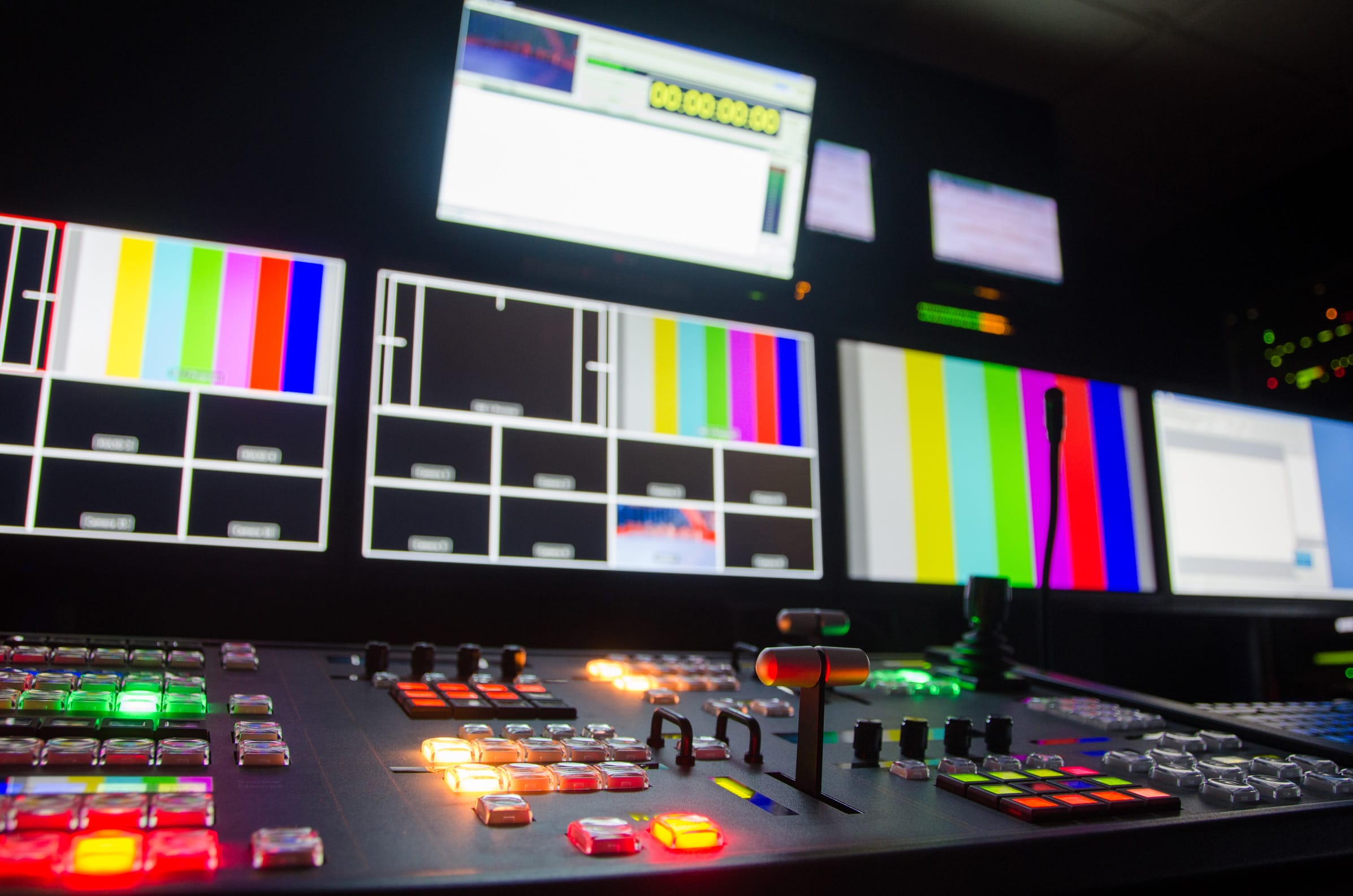
A Screen and Film Production degree in Australia is a practice-led qualification that equips students with the creative, technical, and professional skills required to work across all aspects of filmmaking and screen content creation. Courses typically span three years at the undergraduate level and cover the full production lifecycle — from scriptwriting and pre-production planning through to on-set direction, cinematography, sound recording, and post-production editing and finishing. Students learn to produce a wide range of screen content including short films, feature-length narratives, documentaries, television drama, music videos, web series, and commercial content. The curriculum blends artistic storytelling with industry-standard technical training, using professional-grade equipment such as 4K cinema cameras, broadcast-quality sound stages, and digital editing suites.
These courses are designed for students who are passionate about visual storytelling and want a career behind the camera or in the production office. They suit aspiring directors, producers, cinematographers, screenwriters, editors, and production designers who want to combine creative ambition with hands-on craft. Most programs are affiliated with industry bodies such as the Australian Screen Production Education and Research Association (ASPERA), and many institutions hold international accreditation through organisations such as CILECT (The International Association of Film and Television Schools). Graduates are prepared to work with production companies, streaming platforms, television networks, advertising agencies, and digital content studios.
Employers of screen and film production graduates span both the public and private sectors and include the ABC, SBS, Netflix Australia, Stan, Amazon Prime Video, Nine Entertainment, Seven Network, independent production houses, advertising agencies, corporate media departments, and the growing short-form digital content industry. The breadth of content formats — from subscription VOD originals to branded content and documentary — means graduates can pursue diverse and flexible career pathways within Australia's interconnected screen ecosystem.
Australia's screen industry is experiencing significant and sustained growth, making this an exciting time to enter the field. In 2024/25, a record $2.7 billion was spent on drama production in Australia — a 43% increase from the previous year — driven by high-budget theatrical features, international co-productions, and the continued expansion of streaming platforms such as Netflix, Disney+, and Stan. Employment in motion picture and video production has grown at a compound annual rate of 5.6% over the past five years, with over 20,800 people now working across the sector. Australia's world-class studio infrastructure, generous Location Offset incentives, and reputation as a versatile filming destination have attracted major international productions, creating sustained demand for skilled local crew and creative talent at every level of the production pipeline.
Despite this growth, the industry faces a genuine skills gap — particularly in areas such as virtual production, visual effects, post-production, and content creation for emerging platforms. The rapid rise of subscription video-on-demand services and short-form digital platforms has accelerated demand for skilled screen content producers who can work across multiple formats and distribution channels. Studying screen and film production gives you the technical foundation and creative portfolio to enter a dynamic industry that is actively seeking new talent, while also developing highly transferable skills in project management, digital communication, storytelling, and collaboration that are valued across media, advertising, and the creative industries broadly.
For undergraduate screen and film production degrees in Australia, the primary academic entry requirement is completion of Year 12 (or equivalent), typically with an ATAR ranging from approximately 60 to 75 depending on the institution and program. However, many providers do not rely solely on the ATAR — creative portfolio submissions, written statements of intent, and interviews are commonly used as part of the selection process, allowing students with demonstrated passion and aptitude to gain entry regardless of their academic score. Mature-age applicants, those with TAFE or VET qualifications (such as Certificate IV or Diploma in Screen and Media), and applicants with prior university study can often access alternative entry pathways including recognised prior learning (RPL) arrangements.
Most programs require or strongly encourage a portfolio or creative sample demonstrating an interest in filmmaking — this may include short films, video essays, photography, scripts, or a personal statement about your creative practice and goals. Some institutions conduct audition-style interviews or practical tests to assess a candidate's creative thinking and collaborative potential. For postgraduate screen production courses (graduate certificates, graduate diplomas, or masters degrees), applicants typically need a completed undergraduate degree, ideally in a related field, along with a portfolio of prior work and a research or project proposal.
International students must also demonstrate English language proficiency, generally through IELTS (Academic) with a minimum overall score of 6.0 to 6.5, with no individual band below 6.0. Some providers have specific requirements per band. Applicants from countries where English is the primary language of instruction, or who have completed sufficient tertiary study in English, may be exempt from formal language testing. It is recommended that all prospective students check individual institution requirements carefully, as entry criteria, portfolio expectations, and language standards vary between providers.
This course may be offered in different study modes depending on the university, campus location, course structure and student type. Students should check the available delivery mode before applying, as not every study option is available at every institution.
On-campus study is the traditional mode of delivery where students attend classes, lectures, tutorials, workshops or seminars at the university campus. This option may suit students who prefer face-to-face learning, access to campus facilities, networking with classmates, practical workshops, group projects and direct engagement with academic staff.
Some universities may offer programs fully online or with online subject options. Online study can be attractive for students who need flexibility due to work, family, location or other commitments. Online study may suit domestic students, working professionals or students who want to study from outside Australia.
Hybrid or blended study usually combines online learning with some on-campus classes, workshops, intensive sessions or practical components. This mode may suit students who want flexibility but still want some face-to-face interaction. The exact structure varies between institutions.
Programs in Australia may have different intake structures depending on the university. The most common intake systems are semester, trimester and block mode.
Many Australian universities follow a two-semester academic calendar. The main intakes are commonly Semester 1 (around February or March) and Semester 2 (around July). Semester-based study usually allows students to complete a set number of subjects over approximately 12 to 14 weeks.
Some universities use a trimester system, which generally provides three study periods a year — around February/March, June/July and October/November. Trimester study may provide more flexibility and may help some students complete their course faster.
Some institutions may offer selected subjects or programs in block mode, where students focus on one subject at a time over a shorter, more intensive teaching period. Block mode may suit students who prefer concentrated learning or working professionals managing study around employment.
Some online or professionally focused programs may offer more frequent start dates or flexible entry points throughout the year. Students should not assume that every course has monthly or multiple intakes — availability depends on the institution, course structure and student type.
Graduates of screen and film production programs in Australia are prepared for careers across a diverse and growing screen ecosystem. Employment opportunities exist in film, television, streaming, advertising, corporate media, digital content, documentary, and post-production sectors. Graduates may pursue roles with major broadcasters such as the ABC, SBS, and commercial networks, production companies, streaming platforms, advertising agencies, government screen agencies, and independent studios. Many graduates also establish their own freelance practice or production companies, working across multiple formats and clients. The expansion of streaming services, the growth of branded content, and the increasing demand for digital screen content across platforms such as YouTube, TikTok, and Instagram have broadened the range of viable career pathways for screen production graduates significantly.
Entry Level
Graduate / Assistant
Production Assistant, Runner, Assistant Editor, Camera Trainee, Script Coordinator, Casting Assistant, Assistant Sound Recordist
Early Career
Officer / Coordinator
Production Coordinator, Junior Producer, Associate Producer, Assistant Camera Operator, Junior Editor, Content Creator, Junior Screenwriter
Mid-Level
Adviser / Specialist
Film Editor, Production Designer, Cinematographer, Sound Designer, Documentary Producer, Post-Production Supervisor, Screenwriter, Colourist
Senior Level
Manager / Senior Adviser
Senior Producer, Head of Production, Director of Photography, Senior Screenwriter, Senior Post-Production Supervisor, VFX Supervisor
Leadership
Director / Head / Principal
Film Director, Executive Producer, Head of Content, Creative Director, Studio Director, Head of Development, Commissioner
Salaries in the Australian screen and film production industry vary considerably based on role, experience level, production scale, and whether work is freelance or salaried.
Melbourne
Melbourne is a powerhouse of Australian screen production, home to Docklands Studios Melbourne — one of Australia's three major studio complexes — as well as the Melbourne Screen Hub, a thriving creative precinct supporting over 50 film and television businesses. VicScreen actively funds local productions and the city hosts major film festivals including the Melbourne International Film Festival (MIFF), offering students excellent networking and industry exposure.
Sydney
Sydney is Australia's leading production and post-production hub, home to Disney Studios Australia — the largest integrated screen production centre in the Southern Hemisphere — located just minutes from the CBD, as well as major VFX, animation, and post-production houses. Screen NSW supports a deeply experienced local workforce, and students benefit from proximity to major broadcasters, streaming platform offices, and advertising agencies concentrated in the city.
Brisbane
Brisbane and the broader Queensland region represent one of Australia's fastest-growing screen production markets, supported by Screen Queensland Studios in Brisbane and Village Roadshow Studios on the Gold Coast, with over 1,800 skilled crew located in the region alone. Queensland's generous production incentives, affordable cost of living, and a pipeline of major international productions make it an attractive and opportunity-rich city for screen production graduates.
Perth
Perth has a developing but vibrant screen production scene, supported by Screenwest — the state government screen funding agency — which actively invests in local film, television, and digital projects. The city offers a close-knit and collaborative industry community where graduates can quickly build their networks and gain on-set credits across a range of local productions, documentary projects, and commercial content.
Adelaide
Adelaide is home to Adelaide Studios, a professional production facility that has attracted high-profile international and Australian productions, and is supported by the South Australian Film Corporation (SAFC), one of Australia's oldest screen funding bodies. The city's lower cost of living, growing documentary and television drama sector, and strong connections between universities and the local industry make it a compelling choice for screen production students.
Canberra
Canberra offers a distinctive environment for screen production students, with strong opportunities in documentary, factual, and government-commissioned screen content thanks to the concentration of national cultural institutions, ABC bureaus, and public sector media clients. While smaller in scale than Sydney or Melbourne, the Canberra screen community is tightly networked and students can access unique stories and subjects connected to politics, history, and national identity.
Before choosing a course, students should compare:
International students who want to study in Australia should also consider additional requirements before applying.
Join successful graduates
Students Helped
Application Processed
Listed Universities
Listed Courses