Start building today!
Experience the Find the courses and unlock the true potential
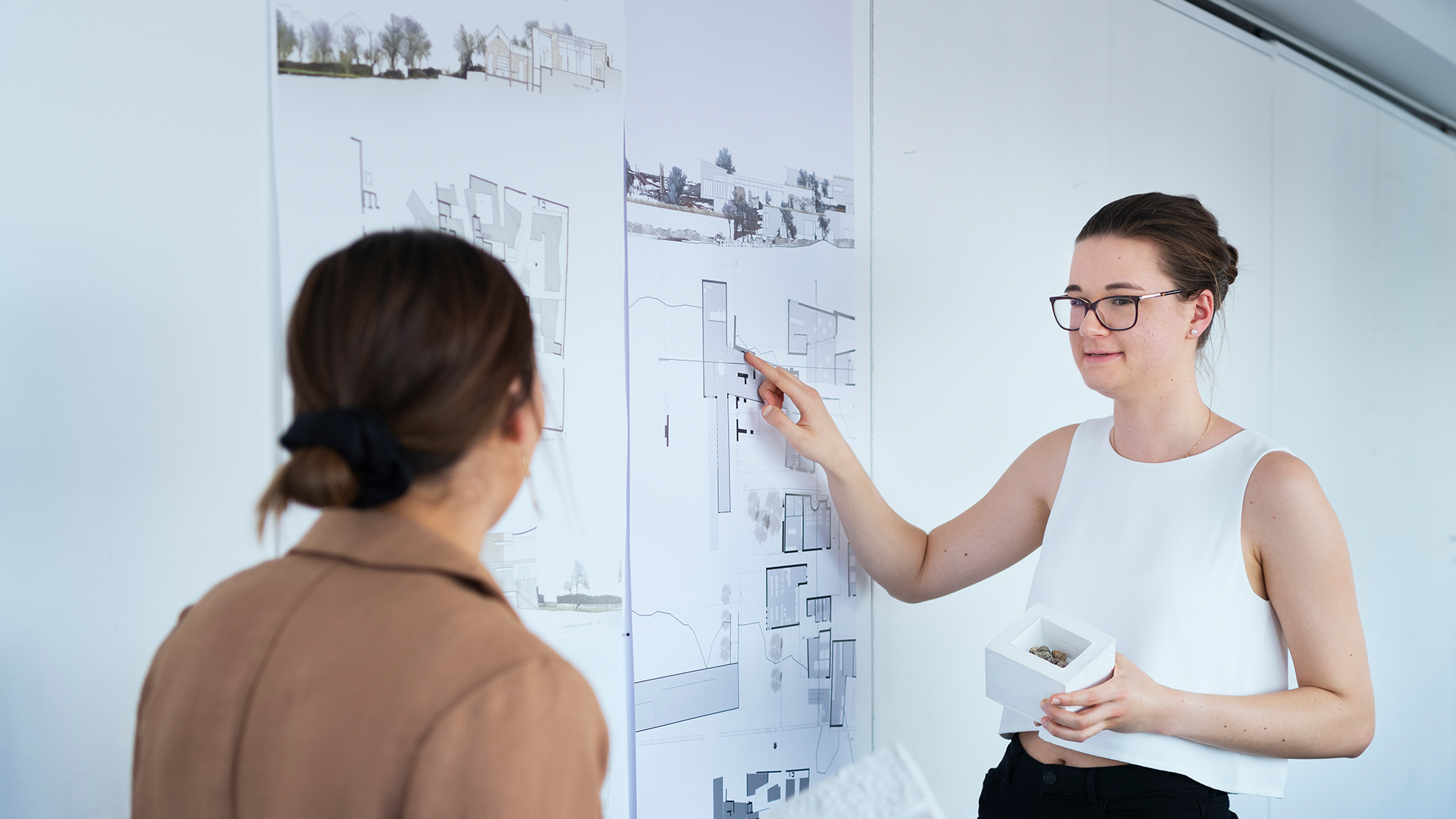
Architecture in Australia is a creative and technical discipline focused on the conceptualisation, design, and realisation of built forms in response to social, economic, environmental, and technological needs. Australian architecture programs typically follow a '3+2' model — a three-year undergraduate degree (such as a Bachelor of Architectural Design or Bachelor of Architectural Studies) followed by a two-year accredited Master of Architecture. Only graduates holding an accredited Master of Architecture are eligible to pursue registration as an architect through their state Architects Registration Board (ARB), after completing relevant practical experience and passing the Architectural Practice Examination (APE) administered by the Architects Accreditation Council of Australia (AACA). Courses blend design studio practice with technical, theoretical, and environmental content, covering areas such as sustainable architecture, construction technology, digital fabrication, urban design, and architectural theory.
Australian architecture programs are designed for students who are passionate about the intersection of creativity, technology, and the built environment. The discipline suits those who enjoy problem-solving, visual thinking, and the social responsibility of shaping the spaces in which people live, work, and gather. Graduates go on to work across a wide range of sectors — from private architectural and urban design practices and commercial property developers to government agencies, community organisations, higher education institutions, and construction firms. Australia's top architecture accreditation groups hold mutual recognition agreements with counterparts in Canada, New Zealand, the United States, and across Asia, giving Australian-trained architects strong international mobility.
Australia's architecture industry is experiencing sustained growth, driven by population growth, urban development, and a national commitment to sustainable design. Major cities including Sydney, Melbourne, and Brisbane are experiencing significant construction activity, resulting in a wealth of job opportunities for architecture graduates. Salaries for architects in Australia are projected to rise by approximately 15% over the next five years, underpinned by government infrastructure spending, housing demand, and the shift towards sustainable and energy-efficient design. In-demand specialisations such as Building Information Modelling (BIM) and sustainable architecture command salary premiums, particularly in Sydney and Melbourne, making architecture a competitive and rewarding career path.
There is a recognised skills gap in Australia for experienced, registered architects — particularly those with expertise in digital technologies, sustainable design, and large-scale urban projects. Australian qualifications are globally respected, with accreditation agreements recognised across North America, New Zealand, and Asia, giving graduates the option to practice internationally. The field also offers diverse career pathways beyond traditional private practice — including government planning, academic research, property development, heritage conservation, and interior architecture — ensuring long-term career flexibility and growth.
For undergraduate architecture programs (Bachelor of Architectural Design or Bachelor of Architectural Studies), entry is competitive. Most Australian universities require an ATAR typically ranging from 80 to 98, depending on the institution and annual demand. Recommended secondary school subjects include mathematics, physics, and design or visual arts. Some institutions also require applicants to submit a selection task or creative portfolio alongside their ATAR, showcasing sketches, artwork, or other evidence of creative potential. Institutions often offer alternative entry pathways, including portfolio-based entry, diploma pathways, or foundation programs for students who do not meet the standard ATAR threshold.
For postgraduate programs (Master of Architecture), applicants must hold a recognised bachelor's degree — ideally in architecture or a closely related built environment field — with a minimum weighted average mark (WAM) typically between 60% and 65%. Most programs also require a design portfolio of at least four completed architectural design projects, presented with plans, sections, elevations, and perspectives. A personal statement, academic transcripts, and evidence of prior design studio and architectural history subjects at undergraduate level are commonly required. International applicants must demonstrate English language proficiency, typically via IELTS (overall band of 6.5–7.0, with no individual band below 6.0), TOEFL, or equivalent. Some institutions offer conversion pathways for graduates from non-architecture backgrounds, which may extend program duration to up to 3.5 years.
This course may be offered in different study modes depending on the university, campus location, course structure and student type. Students should check the available delivery mode before applying, as not every study option is available at every institution.
On-campus study is the traditional mode of delivery where students attend classes, lectures, tutorials, workshops or seminars at the university campus. This option may suit students who prefer face-to-face learning, access to campus facilities, networking with classmates, practical workshops, group projects and direct engagement with academic staff.
Some universities may offer programs fully online or with online subject options. Online study can be attractive for students who need flexibility due to work, family, location or other commitments. Online study may suit domestic students, working professionals or students who want to study from outside Australia.
Hybrid or blended study usually combines online learning with some on-campus classes, workshops, intensive sessions or practical components. This mode may suit students who want flexibility but still want some face-to-face interaction. The exact structure varies between institutions.
Programs in Australia may have different intake structures depending on the university. The most common intake systems are semester, trimester and block mode.
Many Australian universities follow a two-semester academic calendar. The main intakes are commonly Semester 1 (around February or March) and Semester 2 (around July). Semester-based study usually allows students to complete a set number of subjects over approximately 12 to 14 weeks.
Some universities use a trimester system, which generally provides three study periods a year — around February/March, June/July and October/November. Trimester study may provide more flexibility and may help some students complete their course faster.
Some institutions may offer selected subjects or programs in block mode, where students focus on one subject at a time over a shorter, more intensive teaching period. Block mode may suit students who prefer concentrated learning or working professionals managing study around employment.
Some online or professionally focused programs may offer more frequent start dates or flexible entry points throughout the year. Students should not assume that every course has monthly or multiple intakes — availability depends on the institution, course structure and student type.
Architecture graduates in Australia enjoy a diverse range of career pathways across private practice, government, property development, academia, and the not-for-profit sector. Registered architects are employed across all scales of work — from bespoke residential design through to major civic, commercial, and infrastructure projects. Demand is strong for graduates with expertise in BIM, sustainable design, and urban development, with major cities like Sydney, Melbourne, and Brisbane driving significant construction activity. Graduates who go on to complete registration can also pursue leadership roles as principals of their own architectural practice, design directors, or government architects shaping public built environment policy.
Entry Level
Graduate / Architectural Assistant
Graduate Architect, Architectural Drafter, Architectural Designer (Graduate), Junior BIM Technician
Early Career
Architect / Project Coordinator
Registered Architect, Project Architect, BIM Coordinator, Interior Architect, Sustainability Consultant
Mid-Level
Senior Architect / Specialist
Senior Architect, Urban Designer, Heritage Architect, BIM Manager, Associate Architect, Project Manager
Senior Level
Associate / Senior Manager
Associate Principal, Design Manager, Senior Urban Designer, Government Architect, Senior Heritage Specialist
Leadership
Director / Principal Architect
Principal Architect, Design Director, Practice Director, State Government Architect, Professor of Architecture
Architect salaries in Australia vary by experience level, location, registration status, and area of specialisation.
Melbourne
Melbourne is Australia's architecture and design capital, home to a rich mix of Victorian heritage buildings, bold contemporary towers, and world-class design firms. The city's vibrant built environment — including major urban renewal precincts like Southbank and Melbourne Docklands — provides architecture students with unparalleled inspiration and industry connection, with a strong focus on sustainable design leadership and institutional work across universities, hospitals, and cultural venues.
Sydney
Sydney is Australia's largest architecture market, with high concentrations of major architectural firms, government infrastructure projects, and a globally recognised built environment including the iconic Sydney Opera House. The city leads in average architect salaries and offers architecture students exceptional access to high-profile commercial, residential, and civic projects, alongside a thriving design culture and strong industry networking opportunities.
Brisbane
Brisbane is experiencing the highest job growth in architecture of any Australian city, driven by the 2032 Olympic Games infrastructure pipeline, a residential construction boom, and strong interstate migration. With a lower cost of living than Sydney or Melbourne and over 200 active architecture job listings at any given time, Brisbane offers architecture students an exciting and accessible entry into a rapidly expanding market.
Perth
Perth has a dynamic and growing architecture market supported by major resource-sector-linked commercial projects, significant government investment in public infrastructure, and a distinctive regional design identity shaped by its unique climate and landscape. The city offers architecture students strong employment prospects in residential, commercial, and public sector work, with lower living costs and a collaborative, close-knit professional community.
Adelaide
Adelaide offers architecture students a distinctive built environment that blends colonial heritage, bold contemporary civic design, and an emerging focus on sustainable and adaptive reuse projects. With lower living costs, strong connections between local universities and boutique architectural practices, and a growing creative and technology precinct, Adelaide is an underrated but rewarding city in which to study and begin an architecture career.
Canberra
Canberra is a uniquely planned city with a high concentration of government-commissioned architecture, civic institutions, cultural buildings, and heritage conservation projects — making it an ideal study base for students interested in public sector architecture, urban planning, and government practice. The city also offers strong graduate employment pathways through federal government agencies, national cultural institutions, and public infrastructure delivery bodies.
Before choosing a course, students should compare:
International students who want to study in Australia should also consider additional requirements before applying.
Join successful graduates
Students Helped
Application Processed
Listed Universities
Listed Courses